






Skincare for Closed Comedones
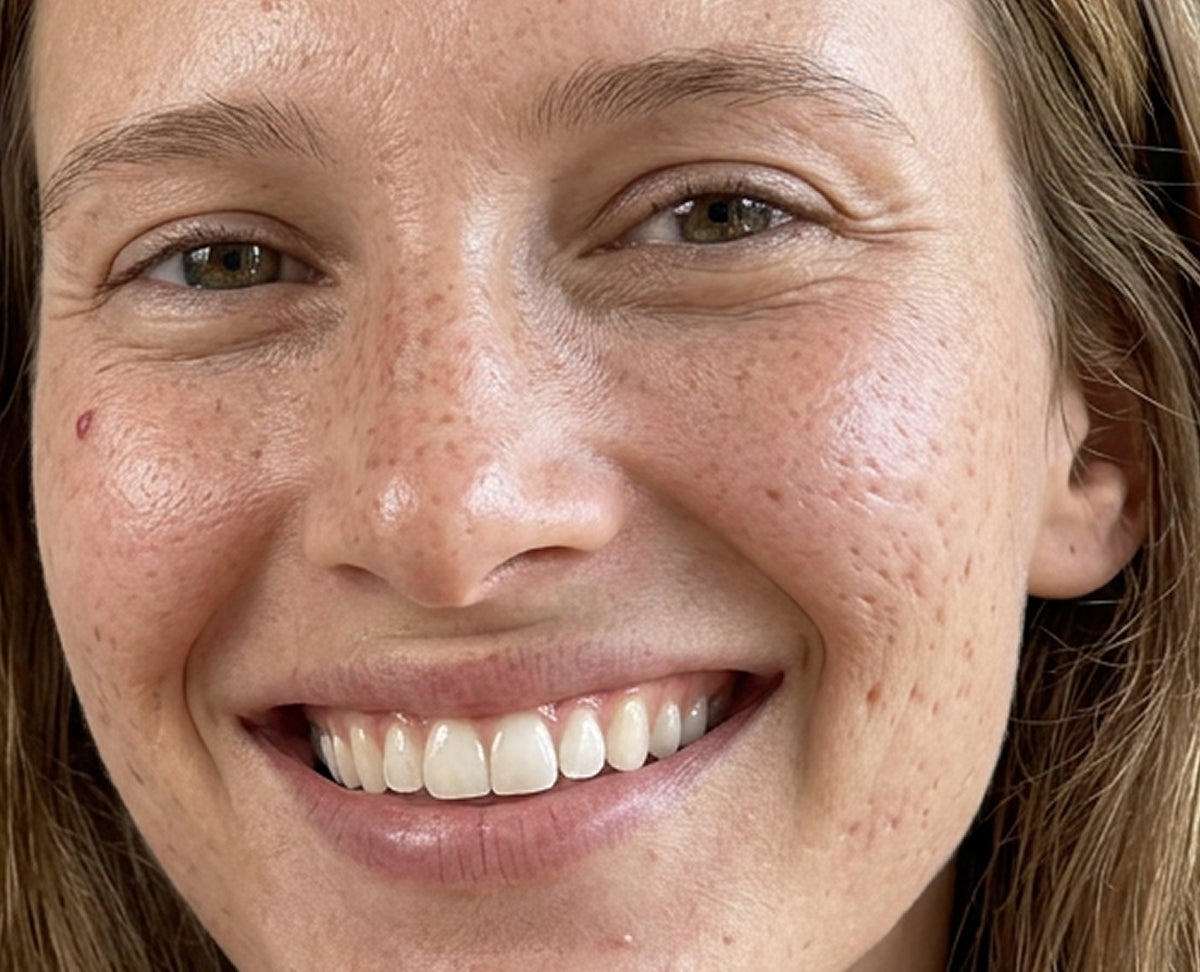
Closed comedones are small, skin-coloured bumps that sit beneath the surface of the skin, giving an uneven texture. They are a form of comedonal acne, and commonly appear on the forehead, chin, cheeks and jawline, especially in areas where oil glands are more active.
They develop when pores become clogged with a combination of excess oil and dead skin cells, trapping congestion beneath the skin. Unlike inflamed spots, closed comedones aren’t usually red or painful - but they can be persistent and frustrating if not treated correctly.
The key to tackling closed comedones is targeted, consistent skincare that helps normalise skin cell turnover, unclog pores and prevent new blockages from forming. Ingredients such as salicylic acid (BHA), azelaic acid, retinol and niacinamide are proven to help clear existing congestion while supporting healthier-looking skin over time.
This collection brings together targeted treatment formulas designed to address clogged pores, congestion and uneven texture. As part of Dr Sam’s system, these products are used as step two of your routine, applied after cleansing and before moisturising and SPF, allowing active ingredients to work effectively.
Filters
Worth £83
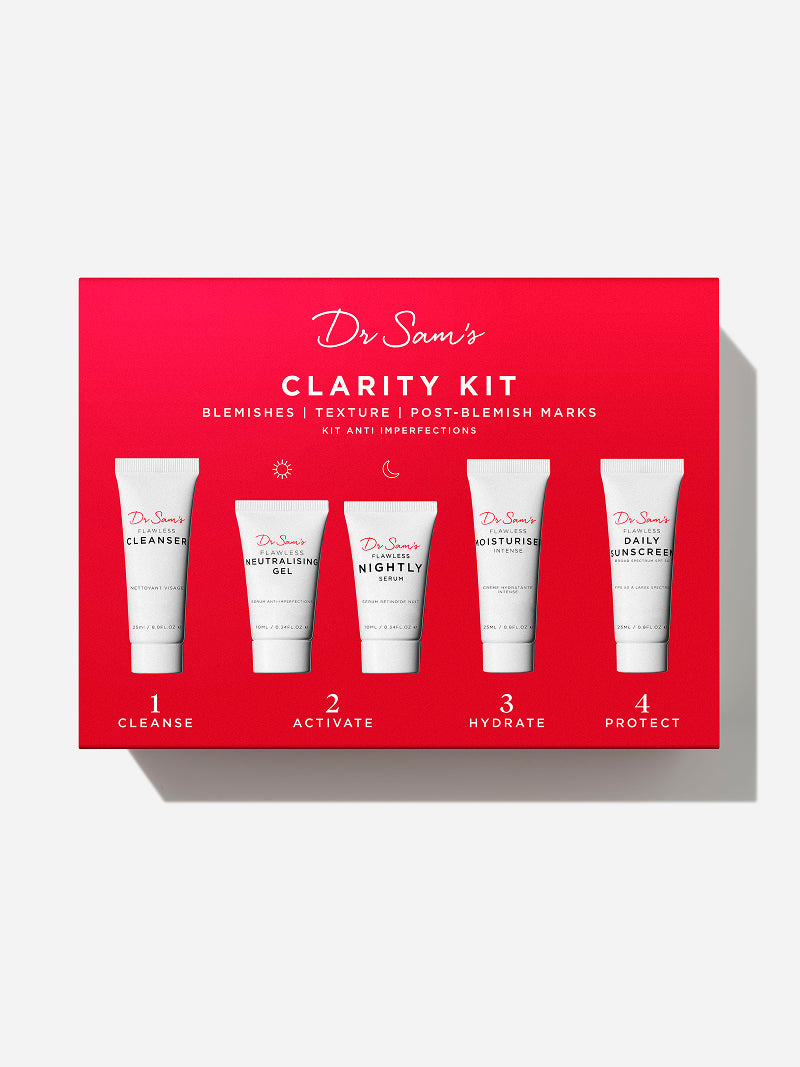
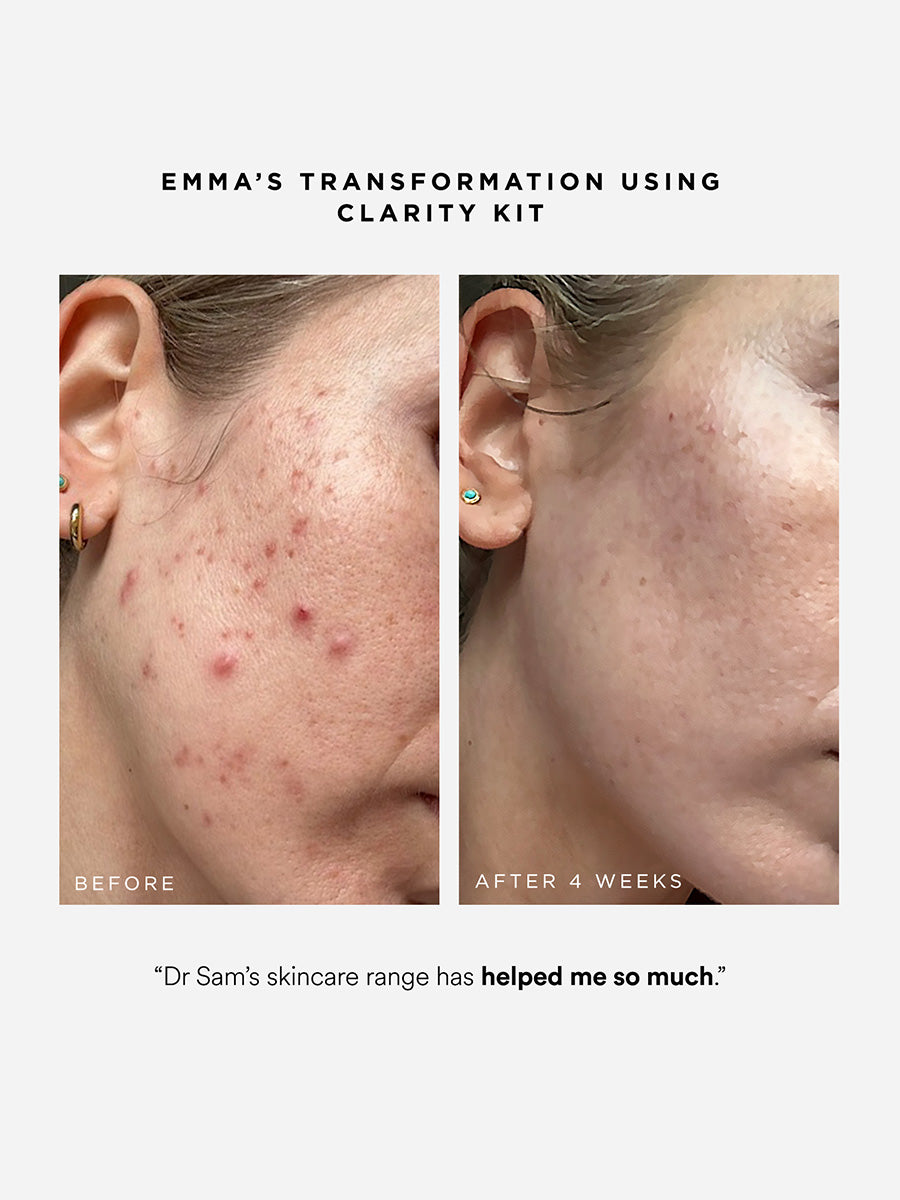
Our 24/7 clarifying routine for blemish-prone skin
Sale price£39.00
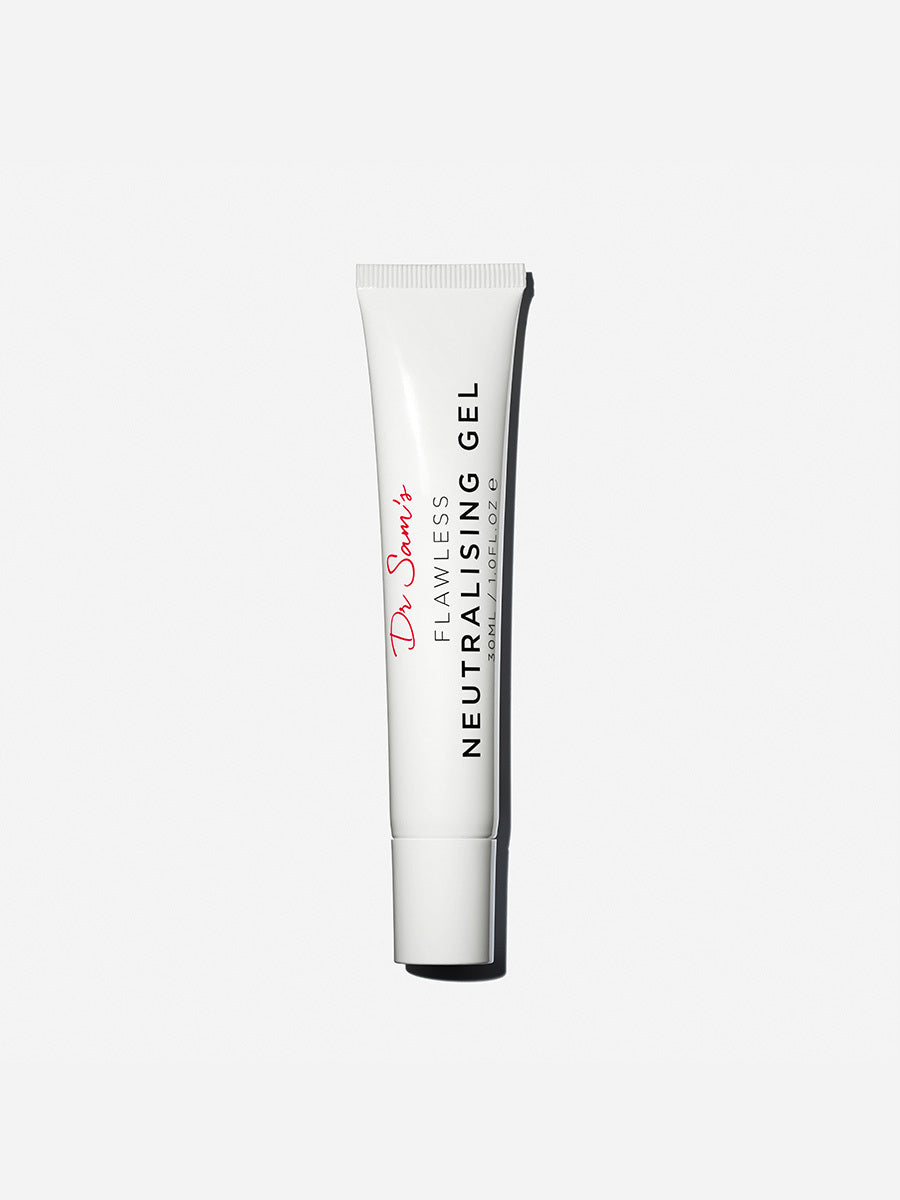



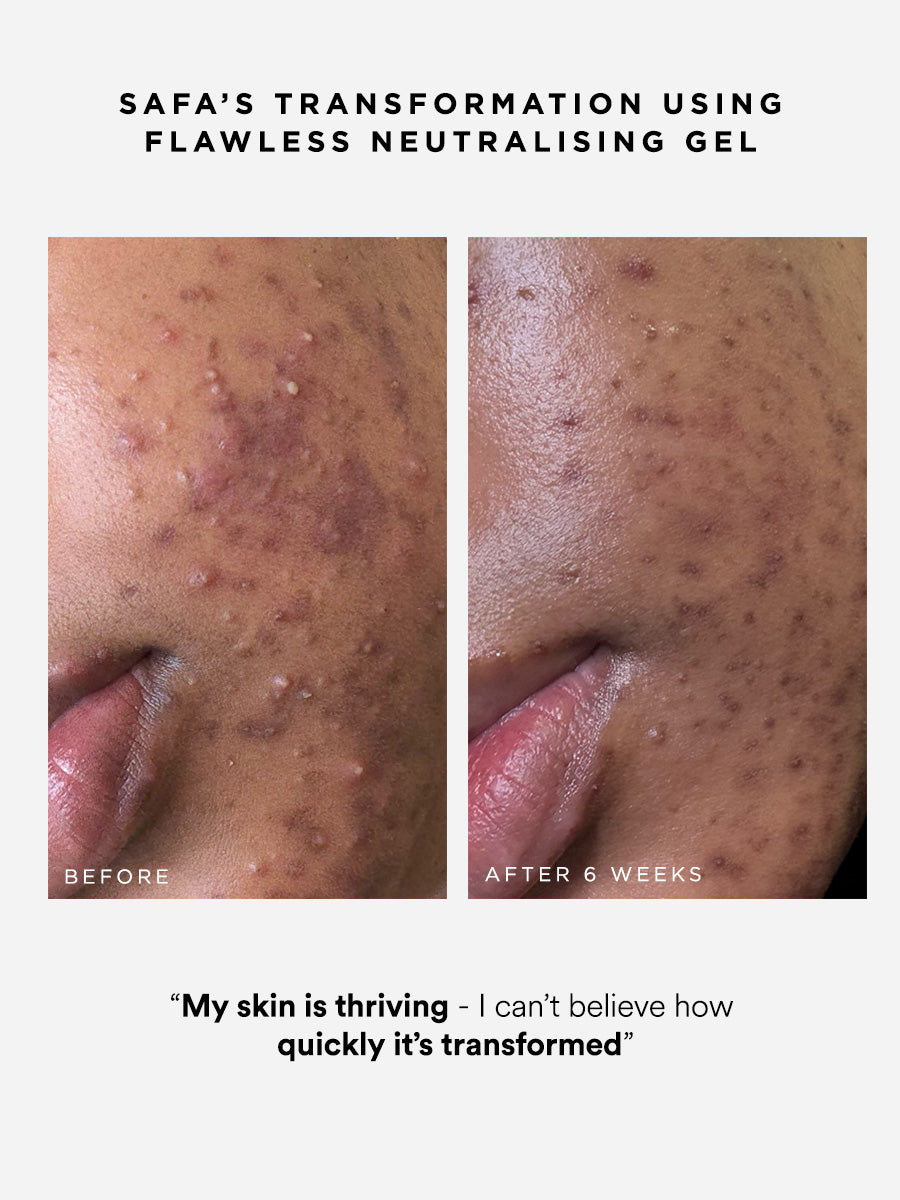

Powerful blemish-calming care that won’t dry skin
Sale price£30.00
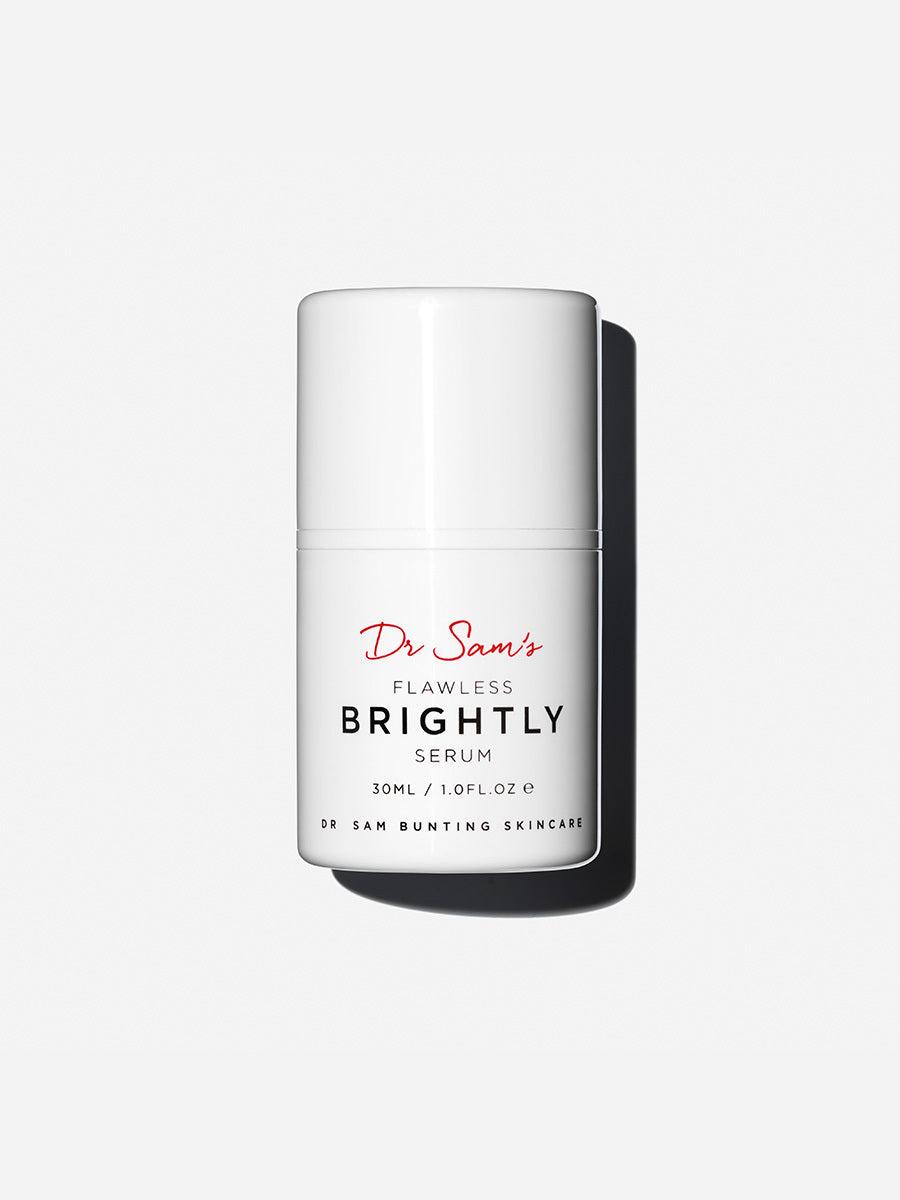

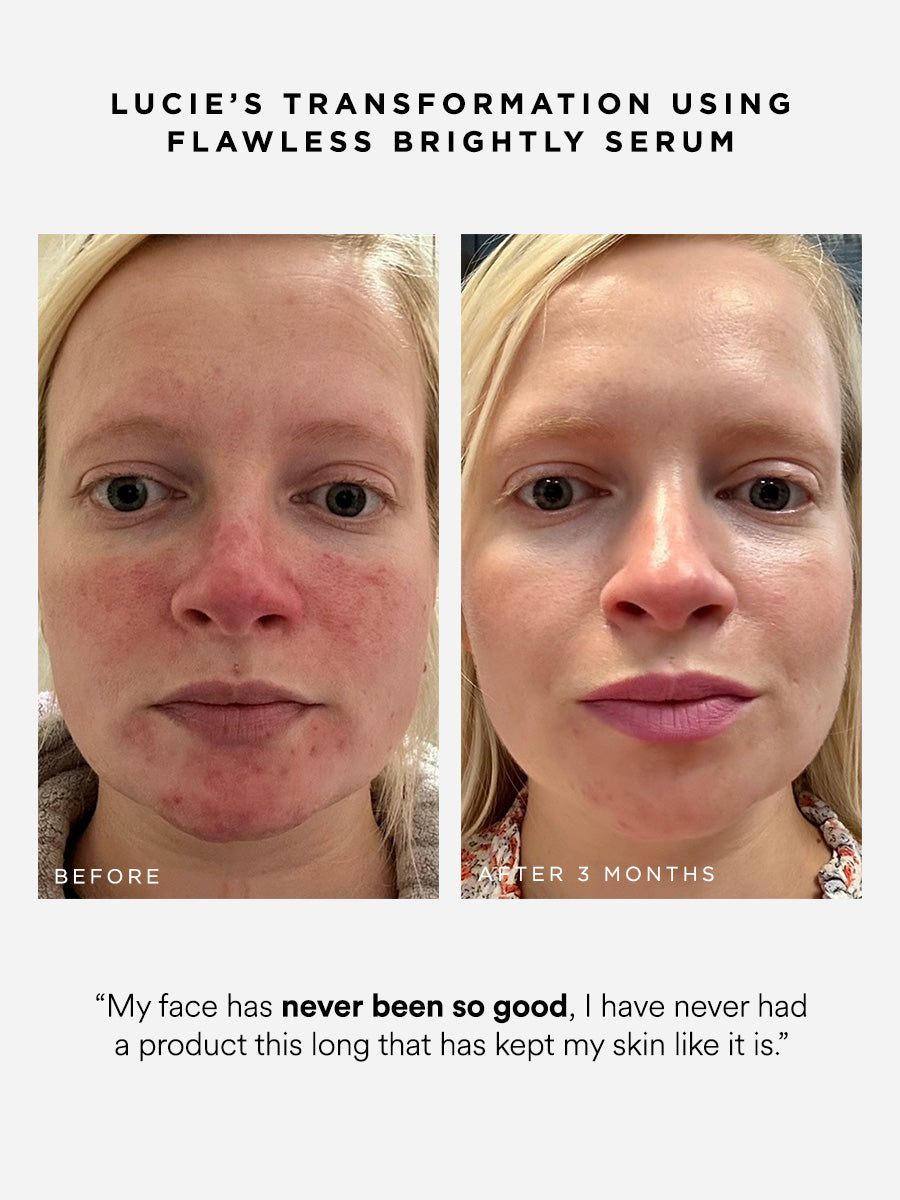

Azelaic Acid + Vitamin C + Niacinamide + Bakuchiol
Sale price£50.00


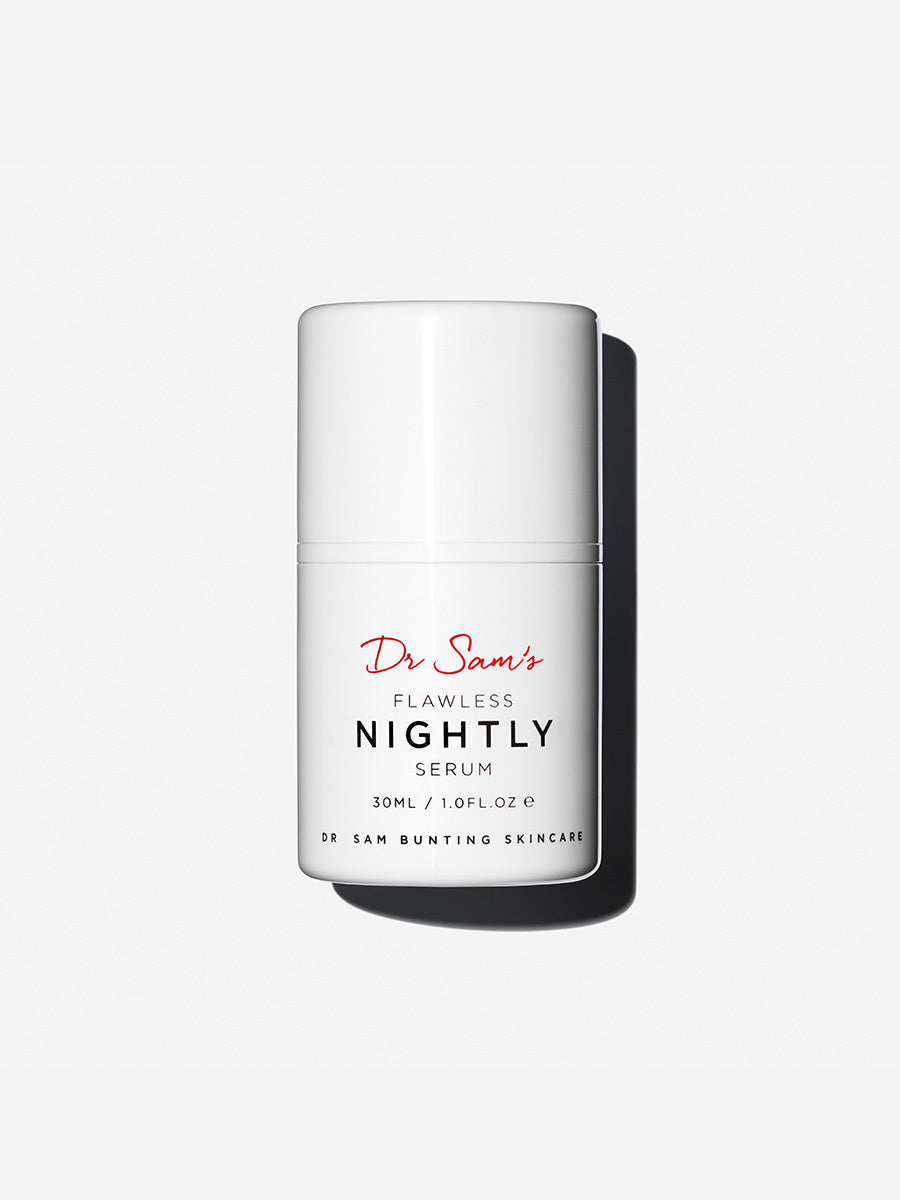

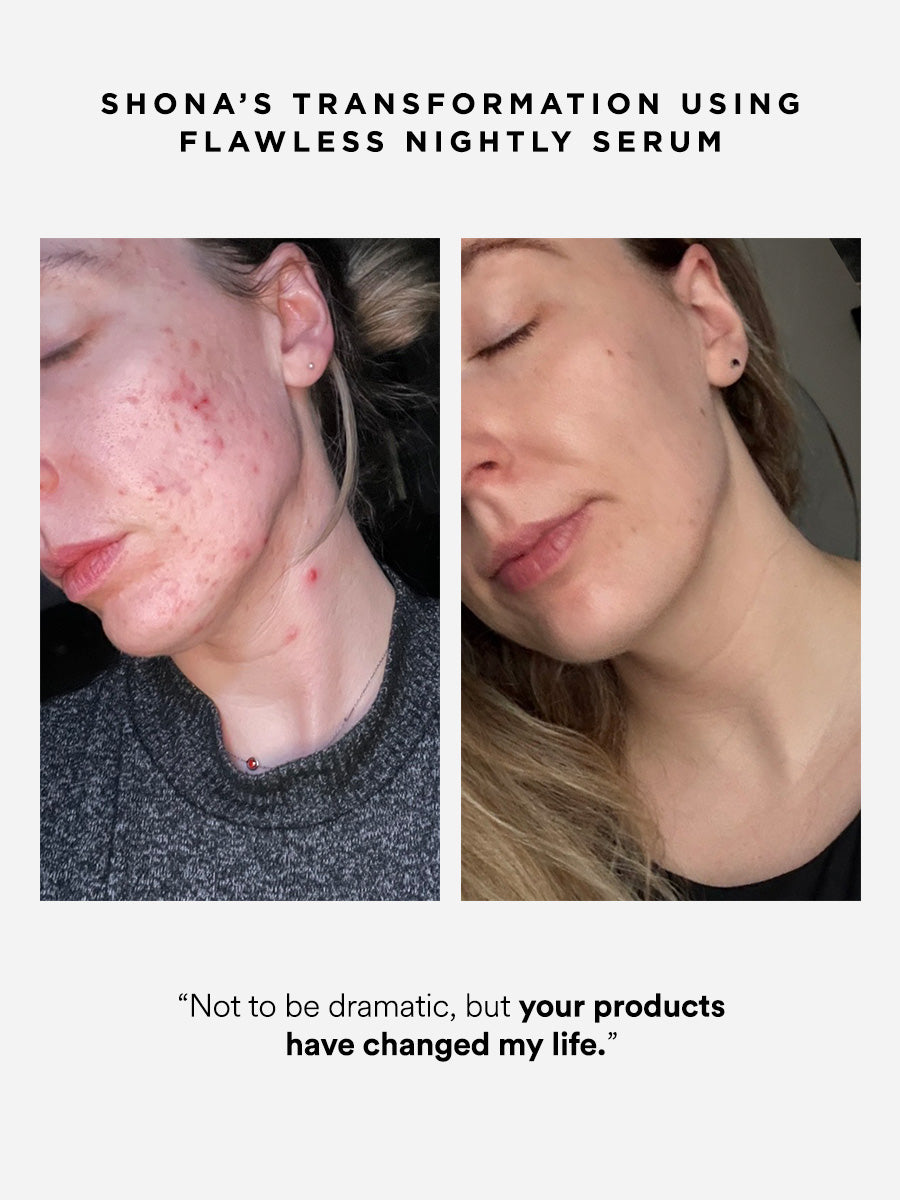
Our overnight skin renewal powerhouse
Sale price£50.00
Worth £100
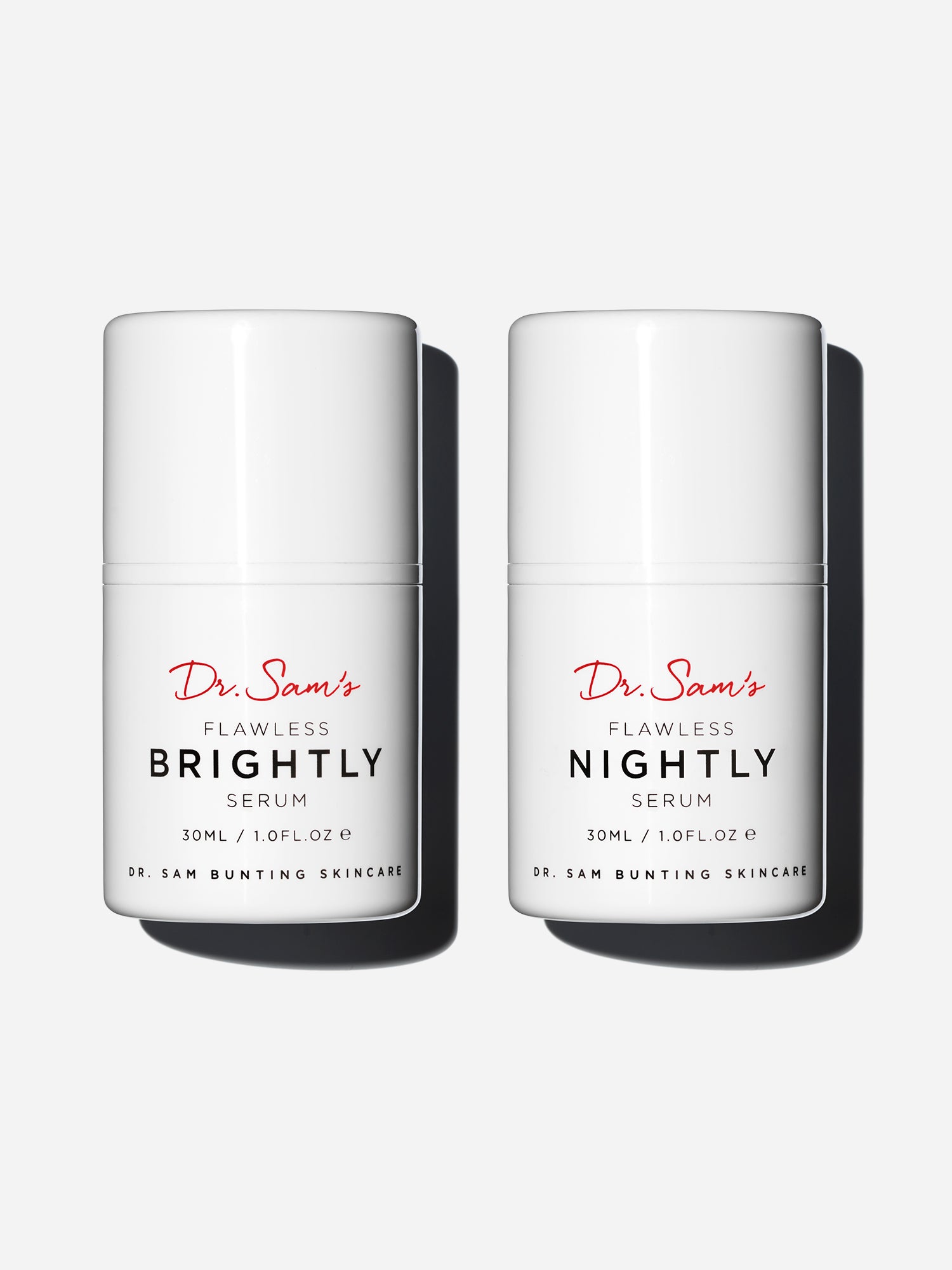
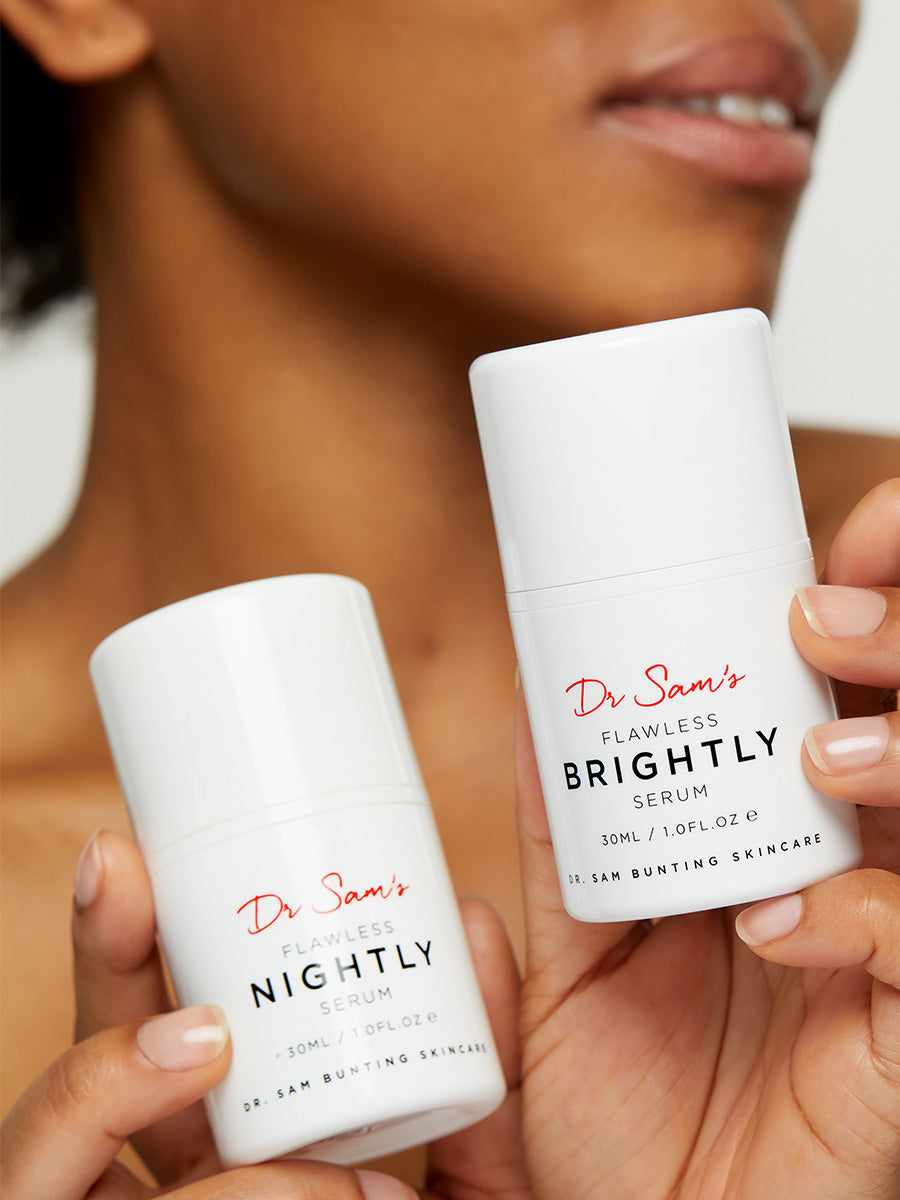
The bright skin duo
Sale price£95.00
Worth £80
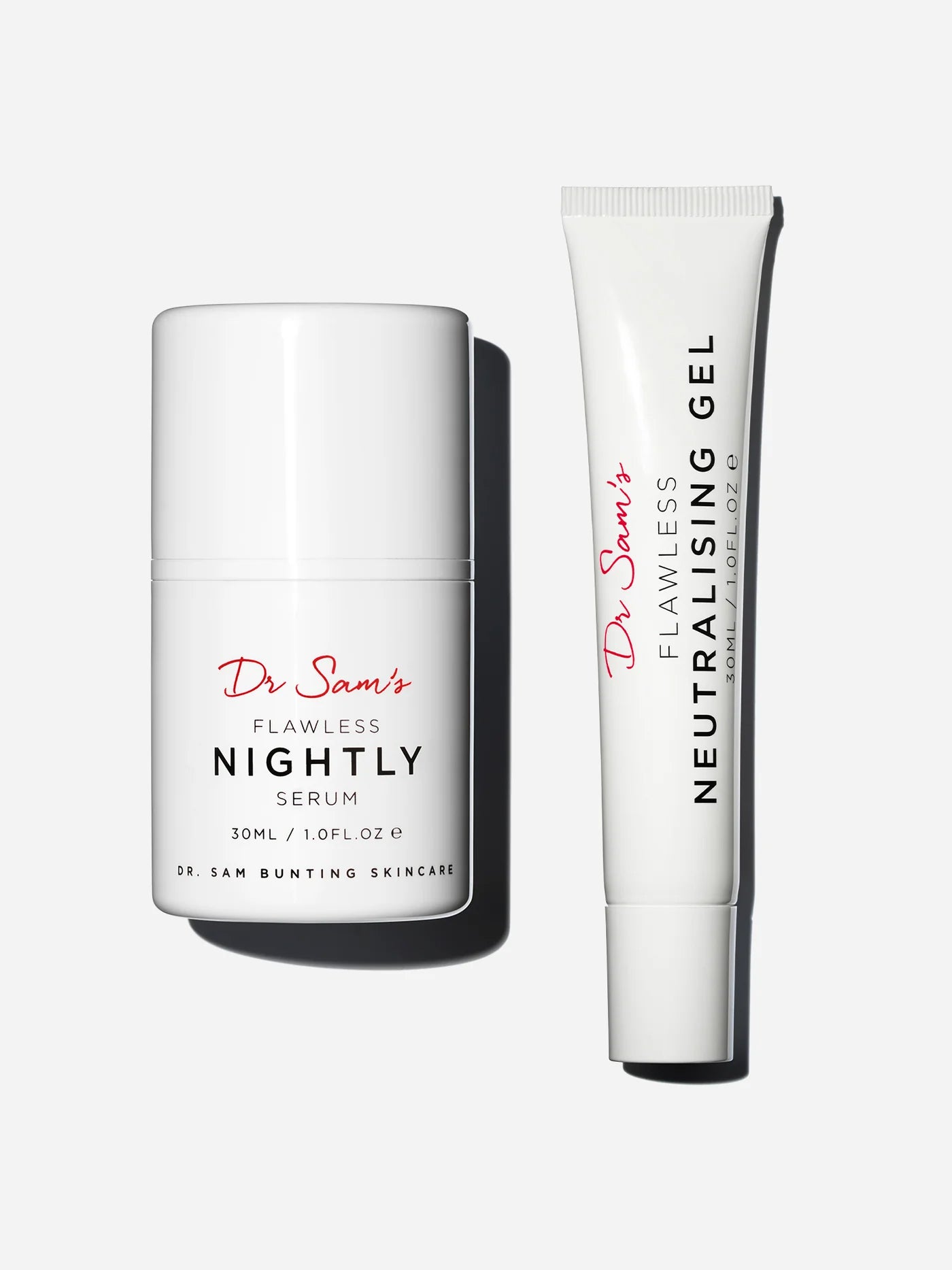
The clear skin duo
Sale price£76.00
Worth £114
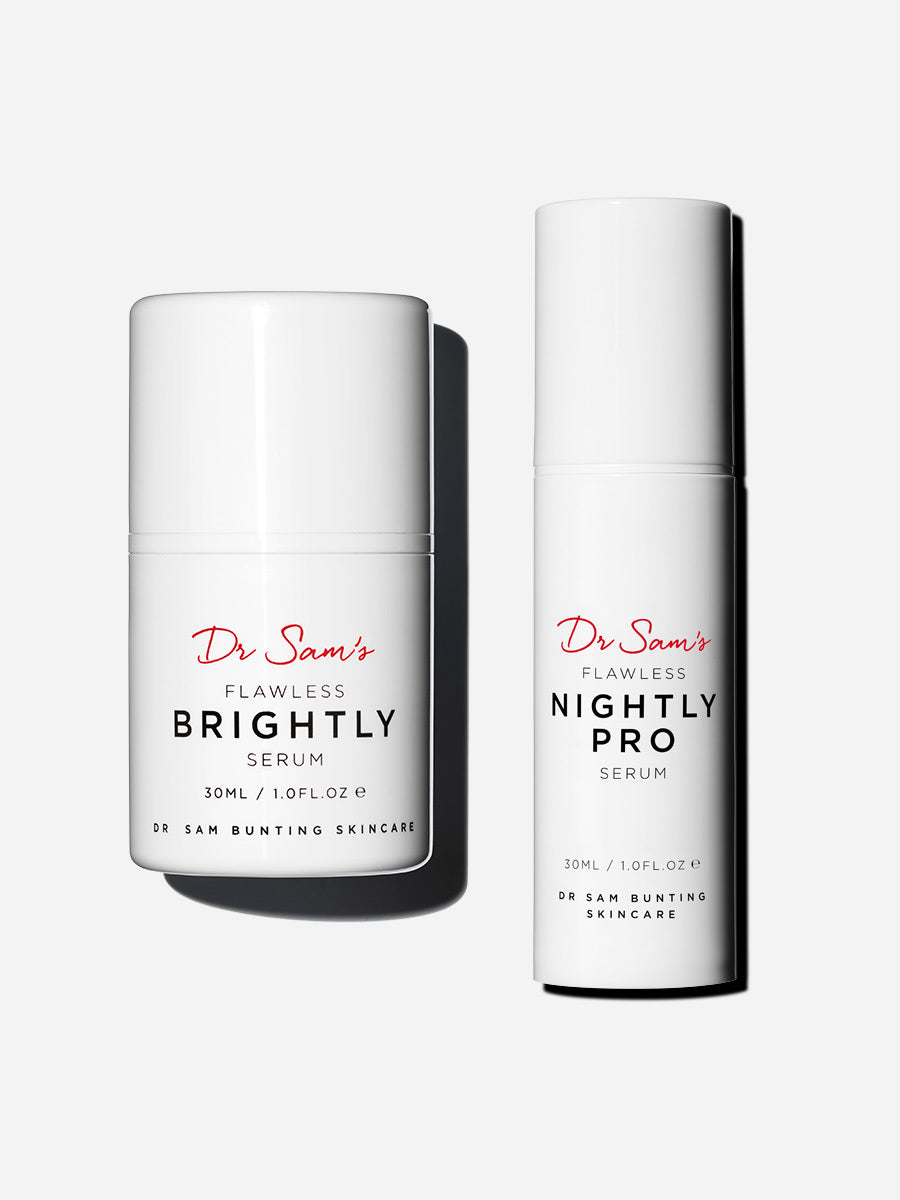
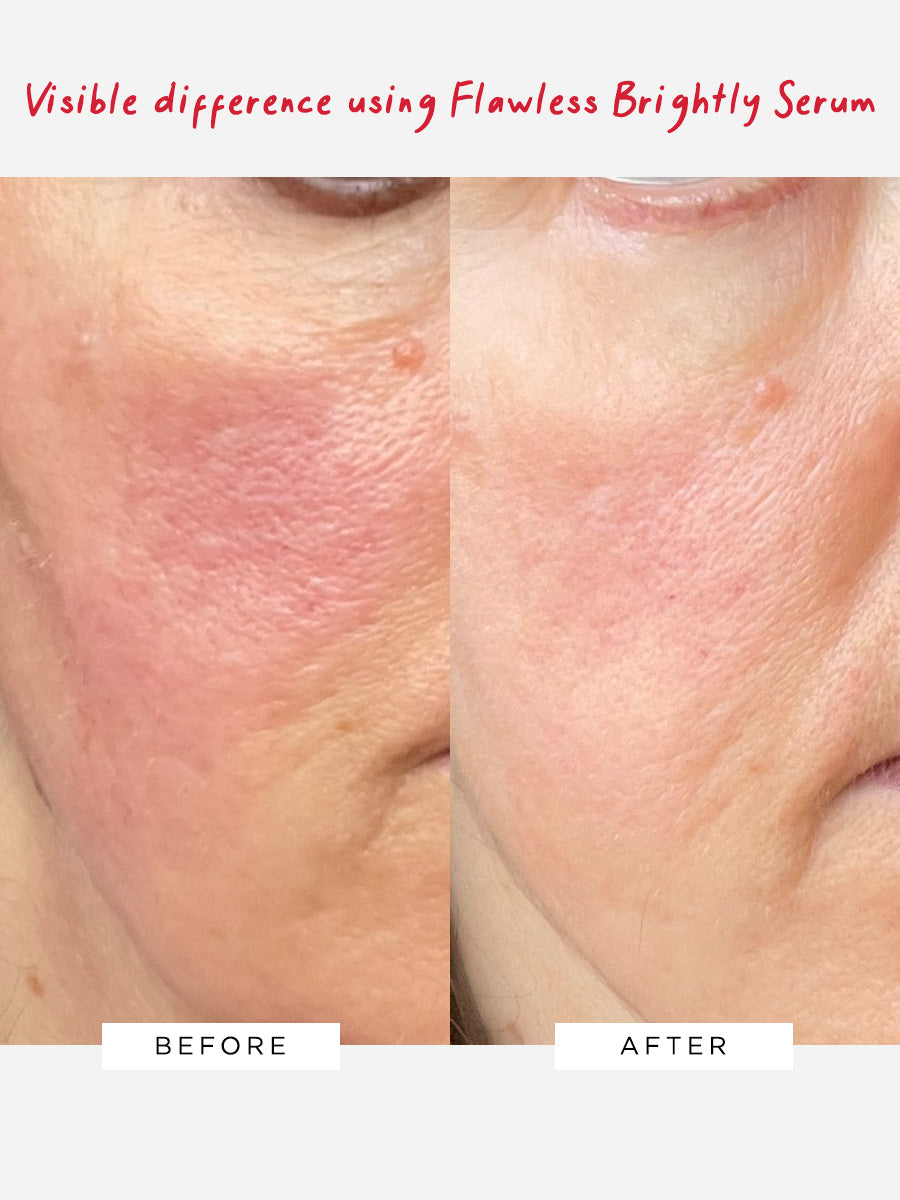
The ultimate skin brightening duo
Sale price£109.00
New!
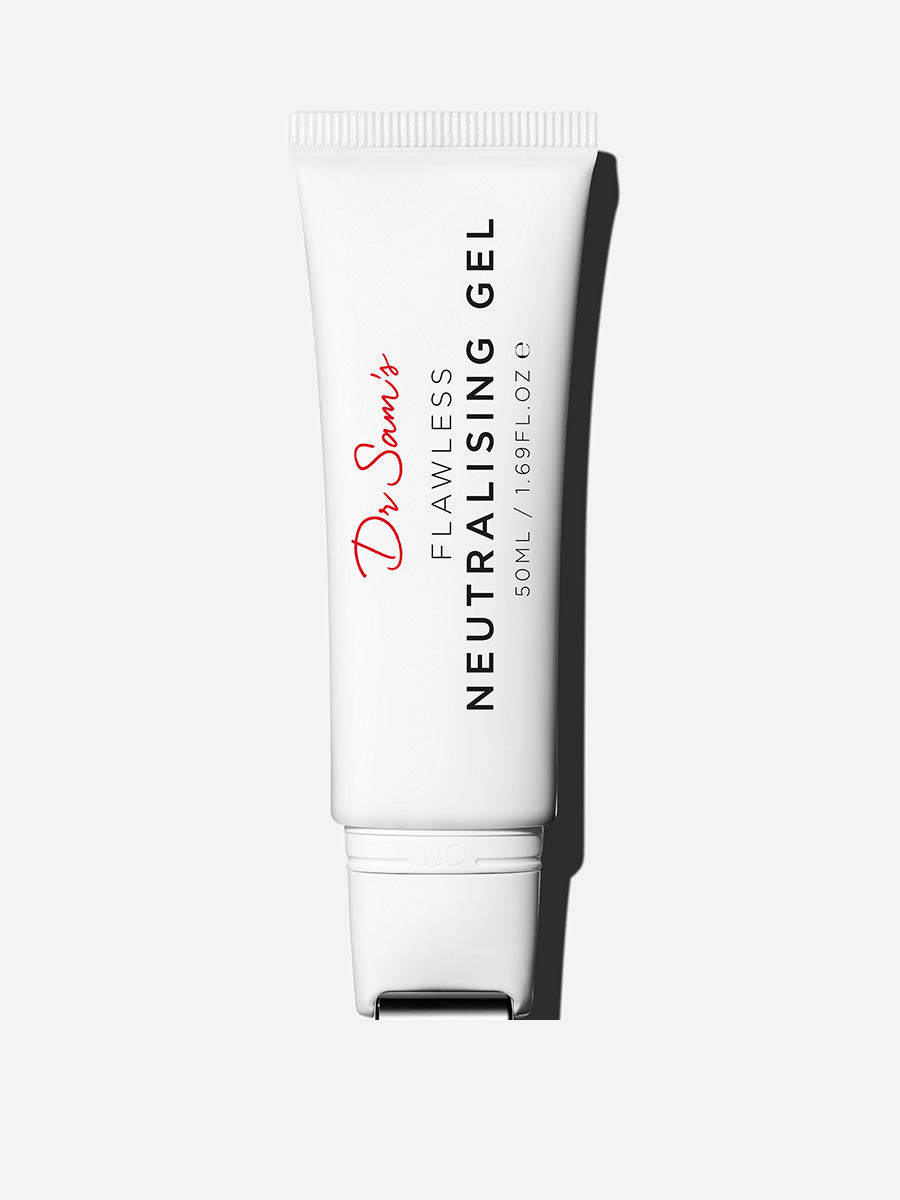
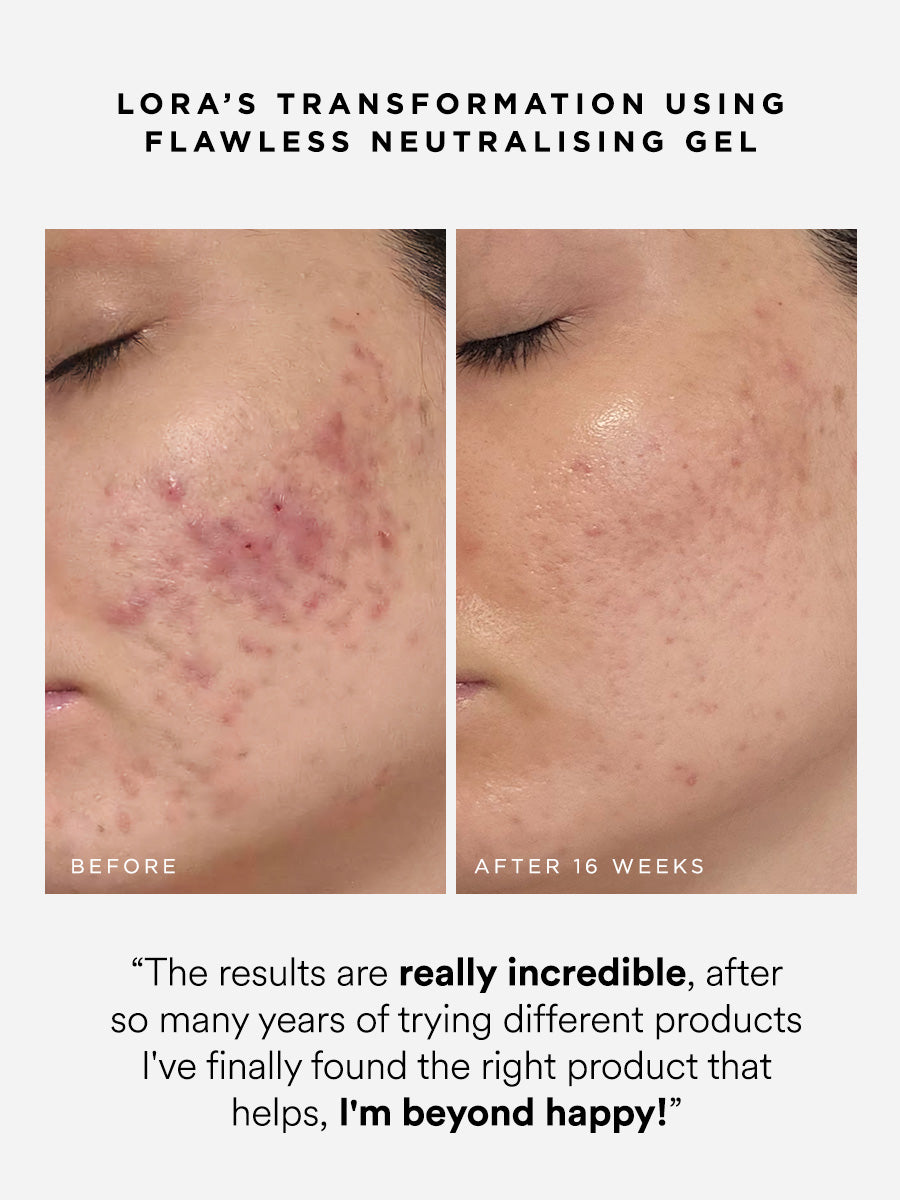
Powerful blemish-calming care that won’t dry skin
Sale price£42.00
New!
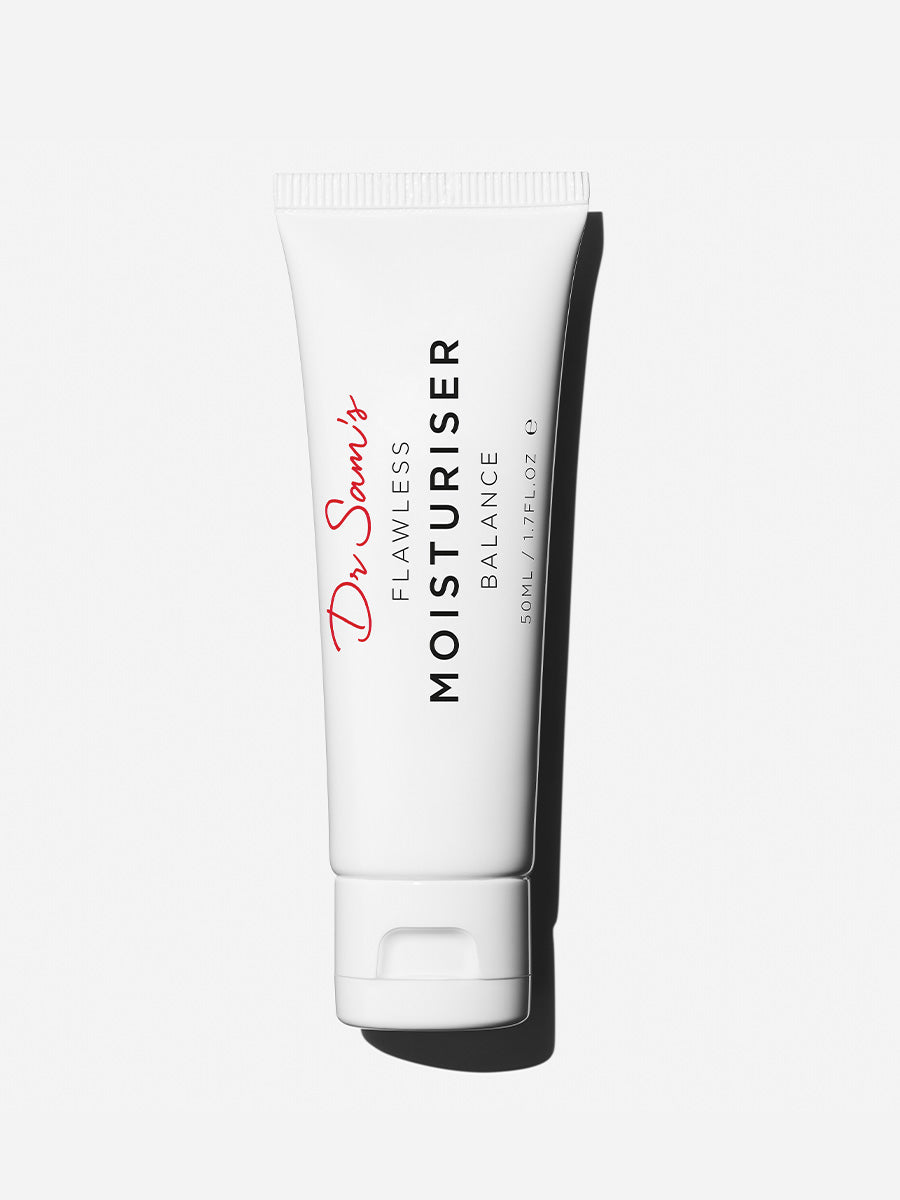
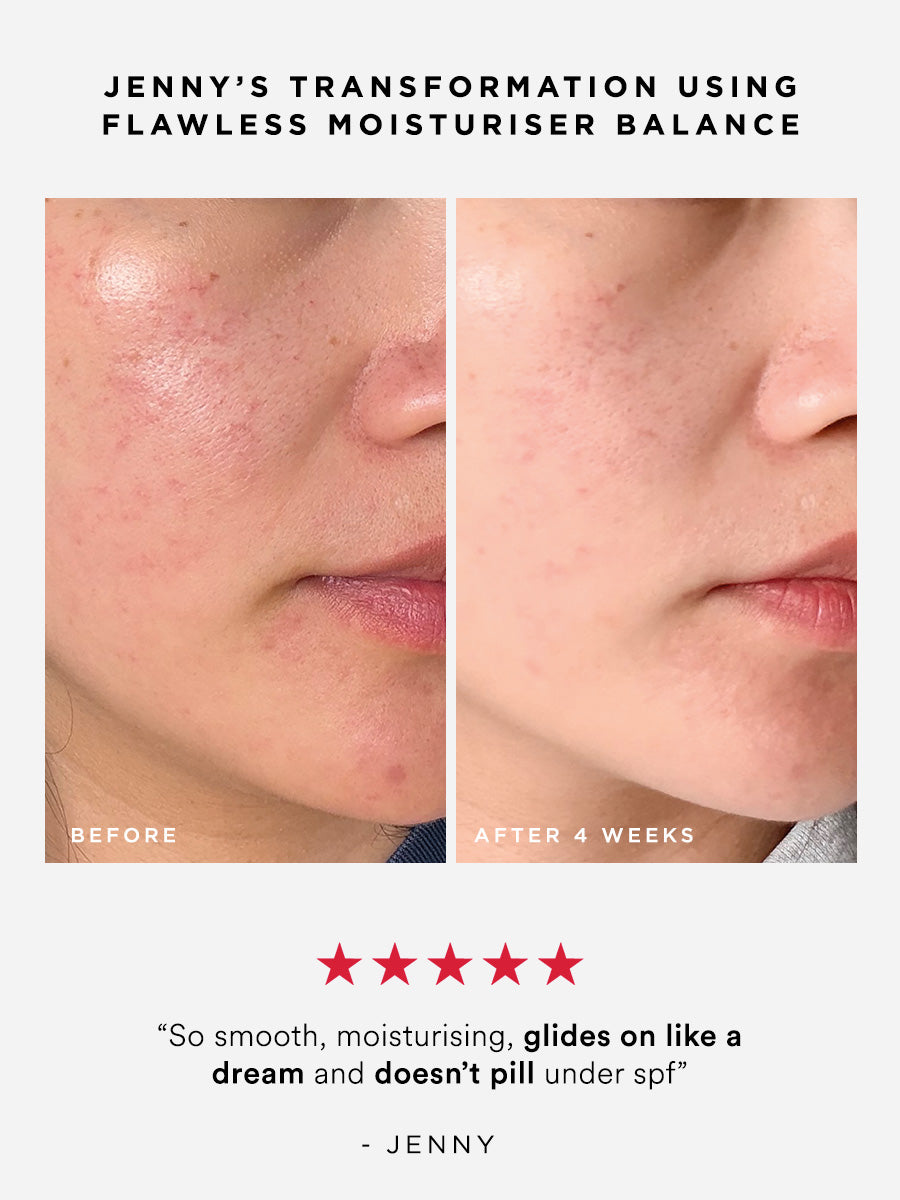
Serious Barrier Repair Without The Breakouts
Sale priceFrom £36.00
Worth £90
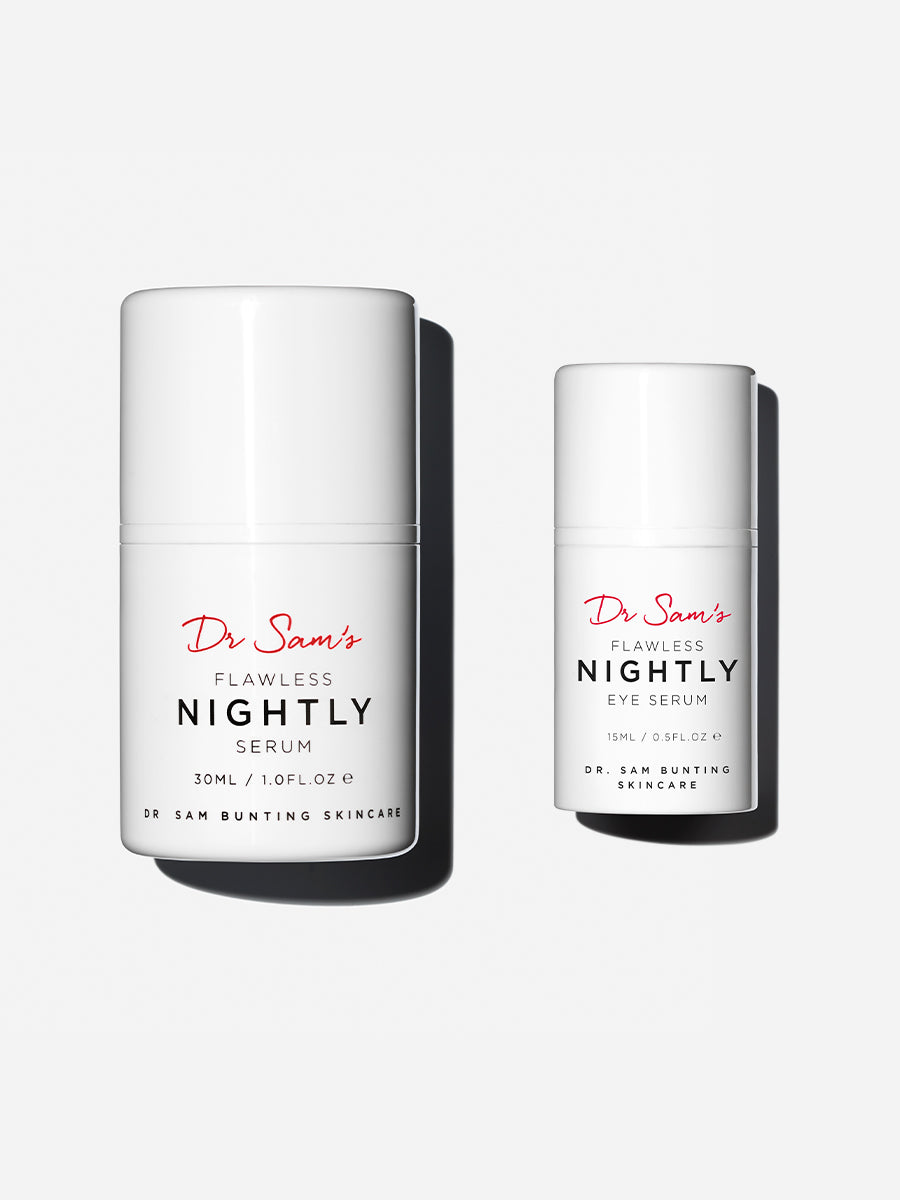
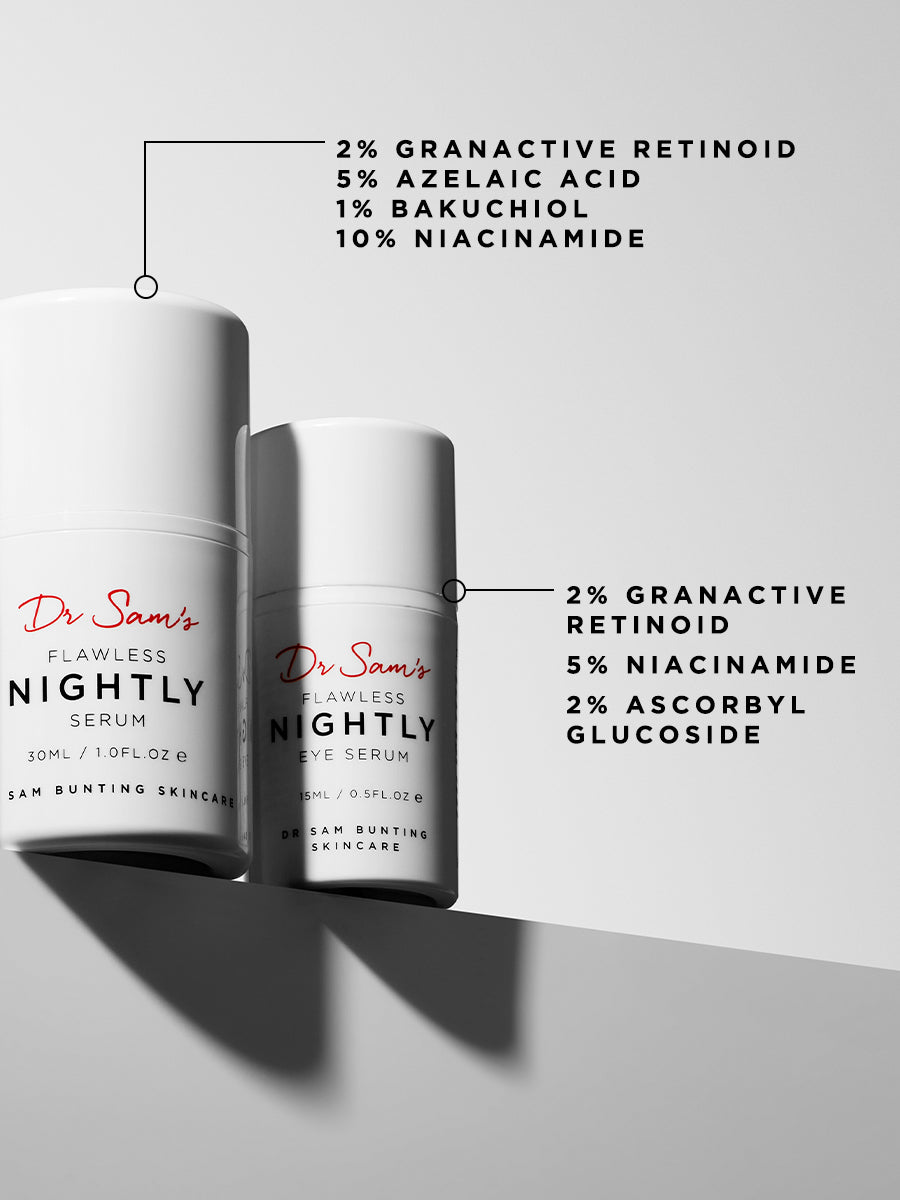
Our best selling nighttime duo to tackle signs of prematu...
Sale price£86.00
Worth £104
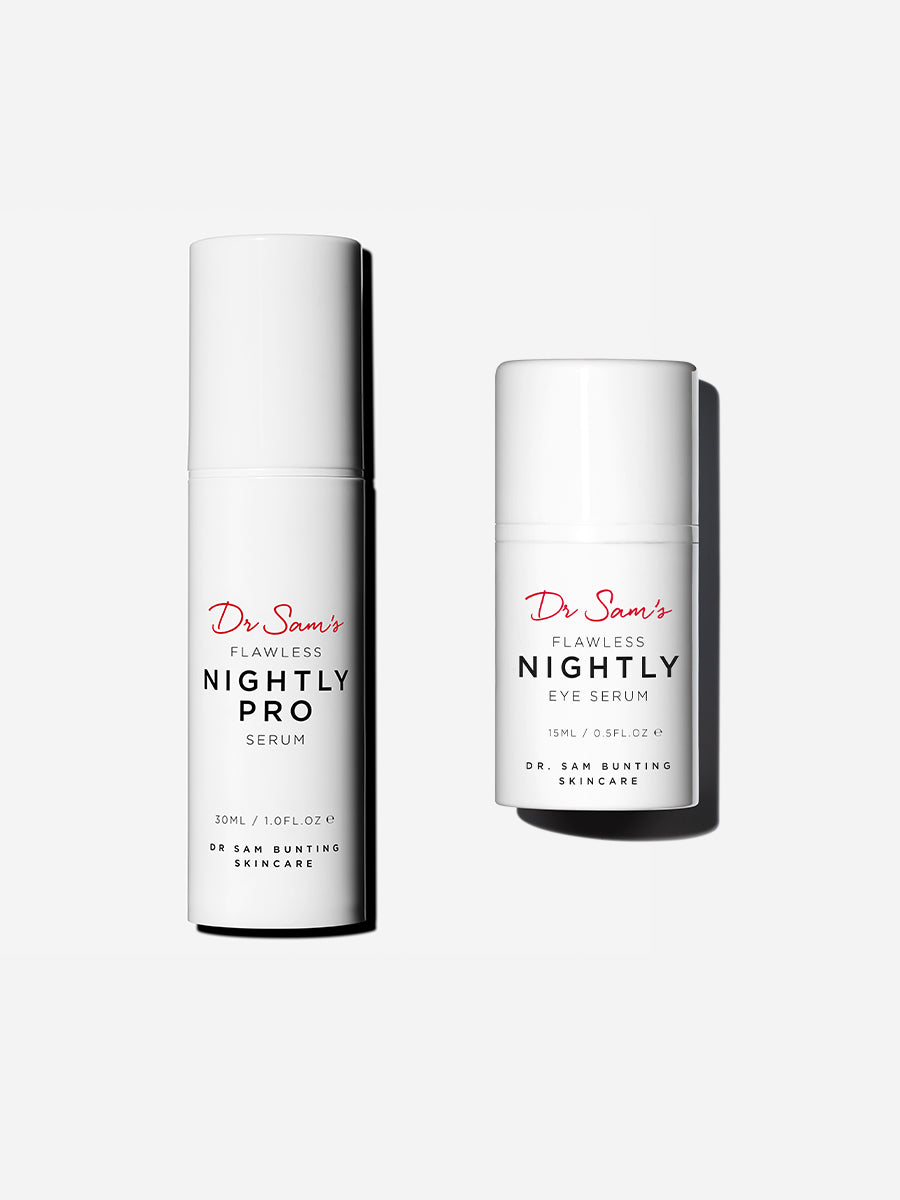
Our most powerful nighttime duo to tackle signs of premat...
Sale price£90.00
Worth £94
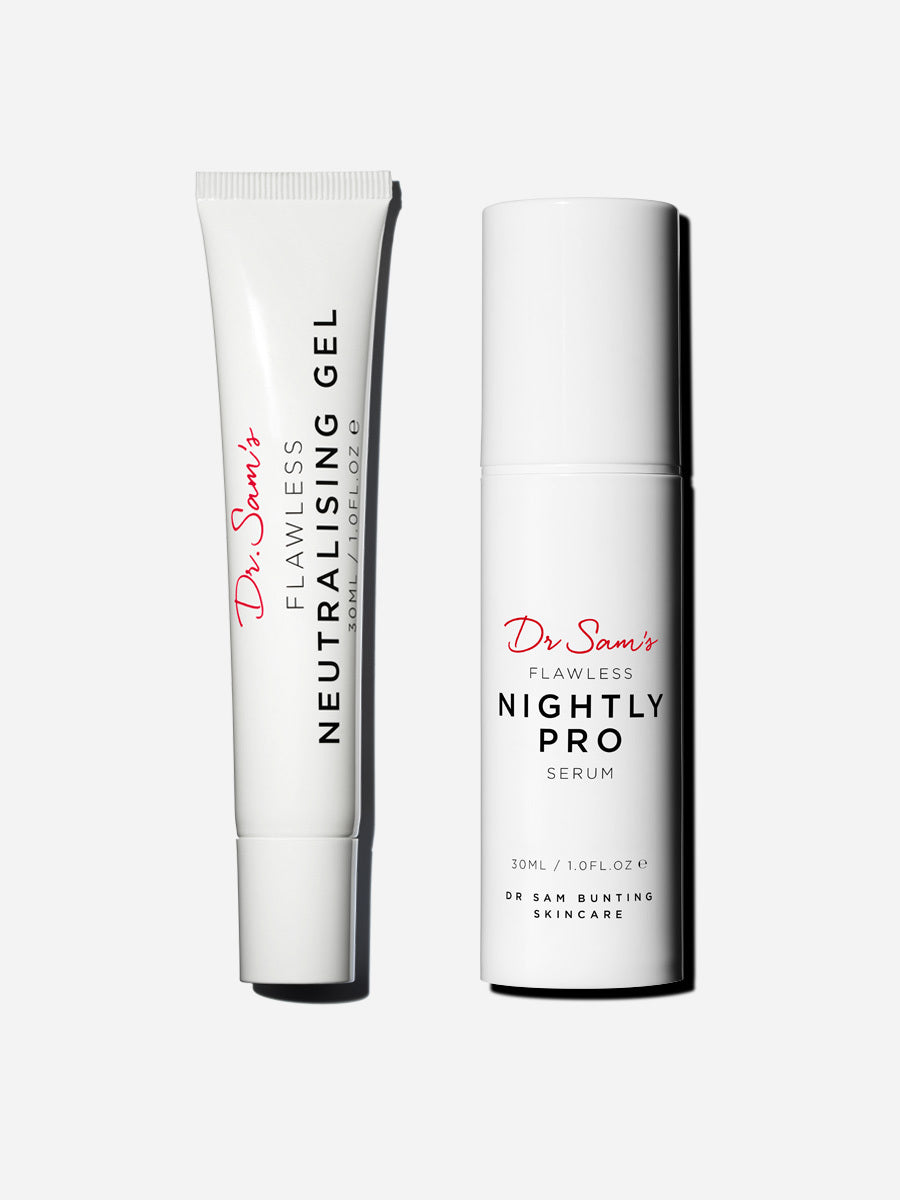
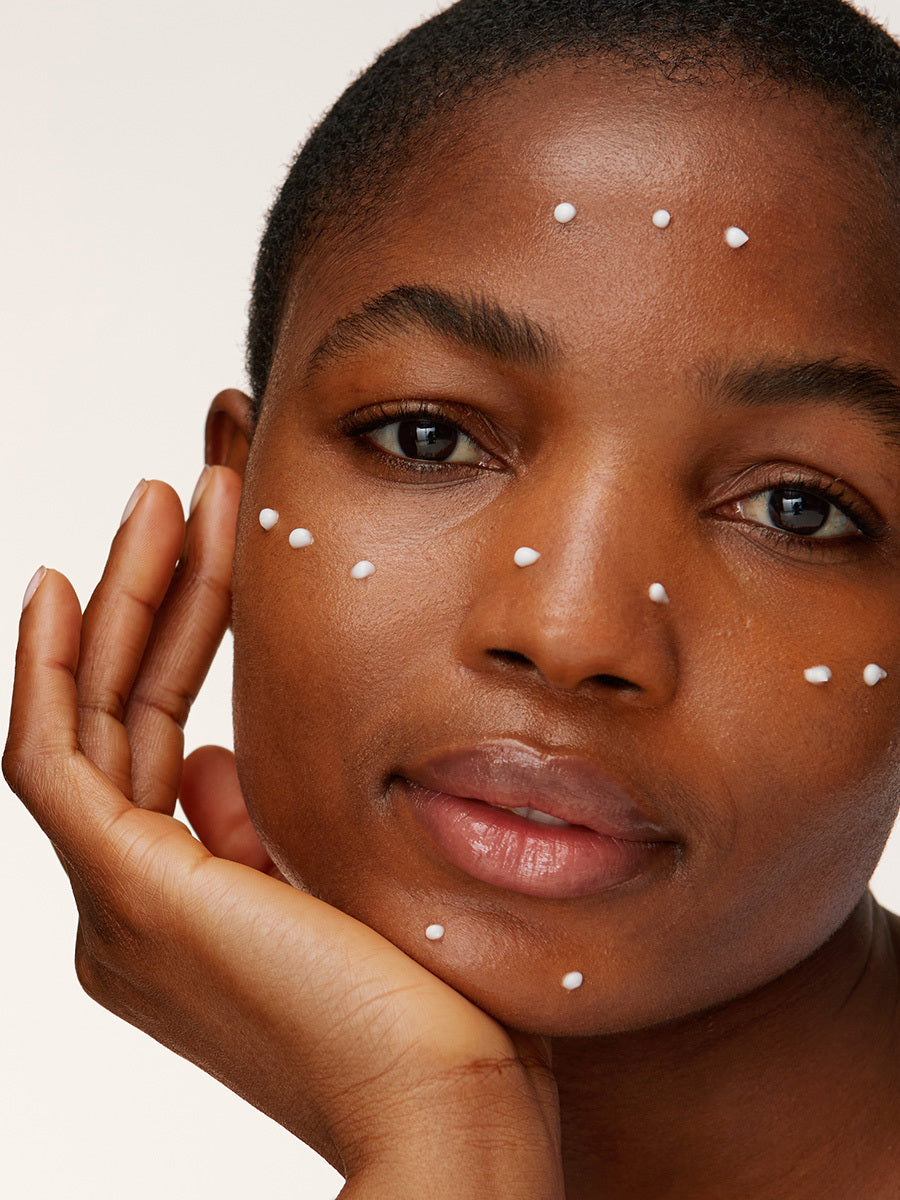
The ultimate skin clearing duo
Sale price£91.00
