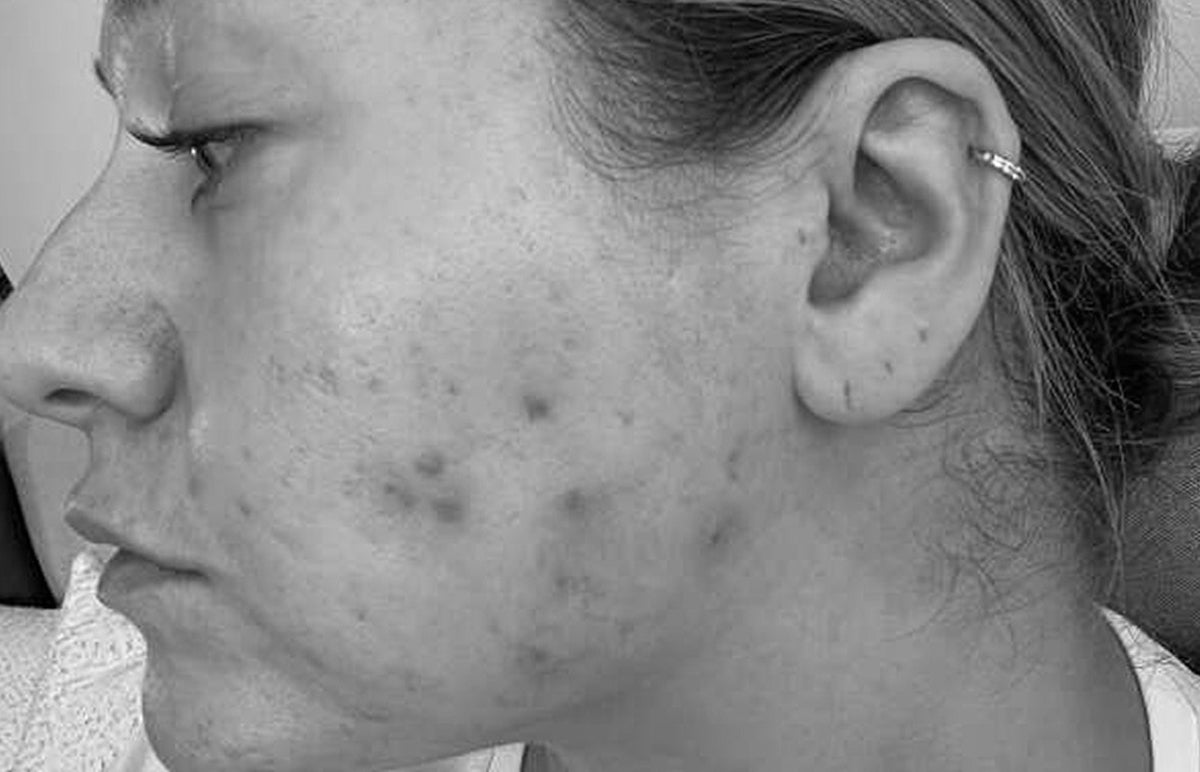








The first 6 weeks might just be the most emotionally charged period of your acne journey. As many as 1 in 4 will go through this destabilising challenge - but what exactly is skin purging? And how do you recognise it? Let’s dive in!
What is Skin Purging?
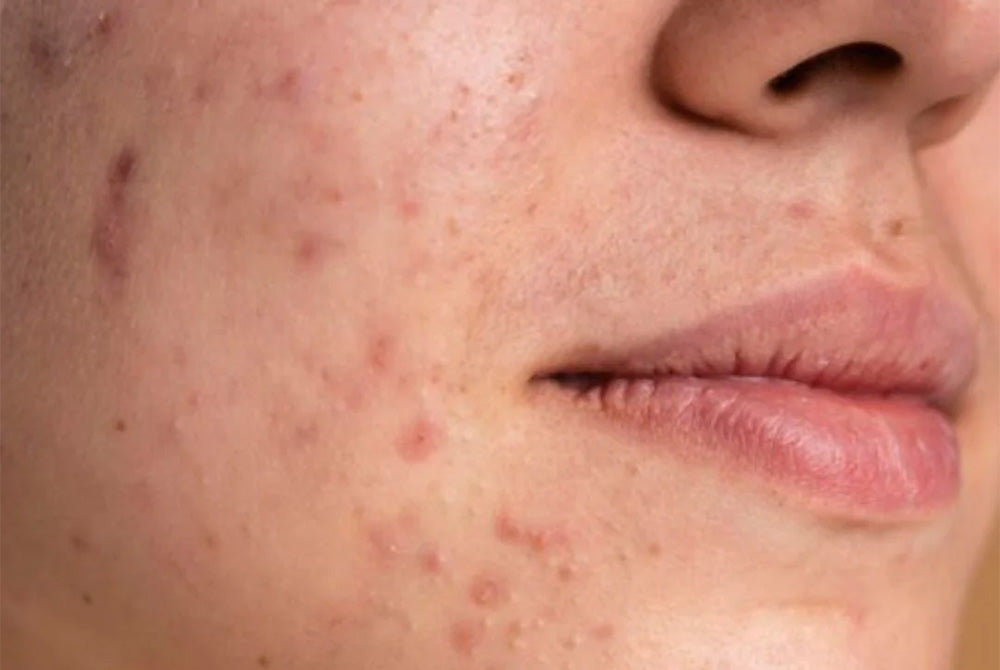
When beginning a new treatment for breakouts using actives, some acne sufferers may go through a period of volatility. Actives in their routine may appear to cause an increase in breakouts and blocked pores. While skin adjusts to a new regime, it dislodges congestion lying below the surface of the skin - a process known as “skin purging”.
I call this acne turbulence. It can be an uncertain time, and the challenge is to distinguish skin purging from skin irritation. How do you tell the difference?

Skin Purging Vs. Skin Irritation
The reality? You can experience both skin purging and skin irritation - and it's important to understand the difference.
Classically, skin purging happens in areas where you would usually experience breakouts. As ingredients such as azelaic acid or retinoids increase skin cell turnover, existing clogged pores can come to the surface more quickly than they otherwise would, resulting in a temporary increase in blemishes before the skin begins to clear. Purging should gradually improve over the following weeks.
Skin irritation is different. While some mild dryness, tightness or flaking can occur as your skin adjusts to ingredients such as azelaic acid or retinoids, persistent burning, significant redness, itching, swelling, a rash, worsening discomfort, or breakouts in areas where you wouldn't usually get them are more suggestive of irritation than purging. If you experience these symptoms, discontinue use and allow your skin to recover before considering reintroducing active ingredients.
Barrier dysfunction is part and parcel of acne but think of a barrier-supporting moisturiser as part of your support team, not a rescue remedy. It can help keep skin comfortable as it adjusts to active ingredients, but it shouldn't be used to push through persistent irritation. If your skin is telling you it's had enough, listen to it - reduce or discontinue your active and let your skin recover.
Introducing active ingredients gradually and increasing the frequency only as your skin tolerates it is one of the best ways to minimise irritation while still benefiting from your skincare routine over time.
How Long Does Skin Purging Last?
The skin purging period is unpredictable. A temporary increase in blemishes may occur within 1–4 weeks of beginning your skincare routine and typically settles within 2–8 weeks, although this can vary from person to person. It is often most noticeable in people with lots of closed comedones to begin with - those little skin-coloured bumps beneath the surface of the skin. When I see this in my patients, I explain that things can sometimes look worse before they look better.
If the skin purging stage is really troublesome, it can be helpful to decrease the frequency of your actives by alternating days of use. However, if you're experiencing persistent burning, significant redness, itching, swelling, a rash, worsening discomfort, or breakouts in areas where you wouldn't usually get them, these symptoms are more suggestive of irritation than purging. In this case, discontinue use and allow your skin to recover before considering reintroducing active ingredients.
Once your skin has settled and you're no longer experiencing irritation, you can gradually increase the frequency of use as your skin tolerates it. Before long, you'll be back on track and working towards retinoid nirvana.
How to Calm Skin Purging
Introducing active ingredients gradually and adjusting the frequency to suit your skin's tolerance can help make the adjustment period more comfortable. A gentle, barrier-supporting moisturiser can also help maintain skin comfort while your skin adjusts.
However, a moisturiser shouldn't be used as a substitute for addressing persistent irritation. If you're experiencing persistent burning, significant redness, itching, swelling, a rash or worsening discomfort, discontinue use and allow your skin to recover before considering reintroducing active ingredients.
In terms of oral acne treatments, isotretinoin can also be associated with an initial worsening of acne for similar reasons, as it accelerates changes within the follicle. Any concerns or side effects while taking prescription medicines should always be discussed with the healthcare professional managing your treatment.
The bottom line? You didn't arrive here overnight, so don't expect an overnight solution. Healthy skin takes time, and a gradual, consistent approach is far more likely to deliver long-term results than trying to do too much, too soon.