








By Dr Mia Steyn, MBChB, MRCP (Derm), Consultant Dermatologist at Dr Sam Bunting + Associates
Dr Mia Steyn is a Consultant Dermatologist at Dr Sam Bunting + Associates. She trained at the University of Stellenbosch and completed her post-graduate specialist dermatology training at the prestigious St John’s Institute of Dermatology in London, where she subsequently held a consultant role managing complex medical dermatology cases. She is on the GMC specialist register. Her clinical focus encompasses the full spectrum of dermatological conditions, from acne and rosacea to pigmentation, eczema, and hair loss, and she brings particular expertise to patients whose skin conditions have proved difficult to diagnose or manage elsewhere.
You’ve been doing the work. The routine is consistent, the products are right for your skin, and things have improved. But something is still bothering you. A line that’s becoming more noticeable. A loss of firmness that no serum seems to touch. A scar that’s been there for years and shows no sign of shifting. You find yourself wondering whether it’s time to think about something more.
This is one of the questions I’m asked most frequently in the clinic, and I understand why it’s a confusing one. There’s a lot of noise around cosmetic procedures, and it can be difficult to know what’s marketing, what’s medicine, and what actually applies to you. The answer isn’t about reaching a particular age or hitting some threshold of visible change. It’s about understanding what your skincare is designed to do, what procedures are designed to do, and whether the gap between the two is something worth bridging.
Why Skincare Comes First
Before any procedure makes clinical sense, your skin needs to be in the best possible condition. That means an intact barrier, well-controlled concerns, and a routine that is working. This isn’t a preamble, it is the foundation on which every treatment decision should be built.
Procedures work on top of your baseline skin health. If you go into a treatment with a compromised barrier, active rosacea, or uncontrolled blemishes, results become unpredictable and the risk of a poor outcome increases considerably. I see this pattern regularly in the clinic: patients who have invested in procedures before their skincare was right, and who are frustrated that the results didn’t last, or that their skin responded badly. The sequence matters.
A well-built routine covering cleansing, an appropriate active, hydration, and daily SPF is not just a starting point. For many patients, it remains the complete answer. Retinoids in particular can achieve results that genuinely surprise people when given enough time. Pigmentation, fine lines, uneven texture, and overall skin quality all respond to consistent, well-chosen topicals. Before considering a clinic appointment for a procedure, it is worth asking honestly whether your routine has been given a proper chance to do its work. In dermatology time, this means at least 3 months minimum of a consistent routine.
If you’re not yet confident in your use of retinoids, When, Why and How to Use a Retinoid gives a thorough picture of what consistent topical treatment can realistically deliver.
What Procedures Are Actually Designed to Do
Cosmetic treatments are not a shortcut around good skincare. They address things that topicals cannot. That distinction matters, because it changes the question from a vague “should I do something?” to a more useful one: is what’s bothering me actually in procedure territory?
Volume loss is a clear example. As we age, we lose collagen, fat, and bone density in the face. No topical ingredient replaces structural volume. Profhilo and polynucleotides work by stimulating the skin’s own collagen production and improving tissue quality from within, in a way that even the best hydrating serum cannot replicate. Similarly, fillers can help address the loss of volume that comes with age, improving the scaffolding of your face. They do not always need to be obvious and visible - invisible filler that just gets you back to where you were a few years ago can work wonders. That is not a failing of your skincare. It is a different biological problem that requires a different kind of intervention.
Dynamic lines, the lines that develop from repeated facial movement, tell a similar story. When a line is visible at rest, not just when you’re smiling or frowning, it has become established in the tissue. Topicals can improve the skin quality around it, but they will not relax the muscle responsible for driving it. Anti-wrinkle injections address the mechanism; skincare supports the result.
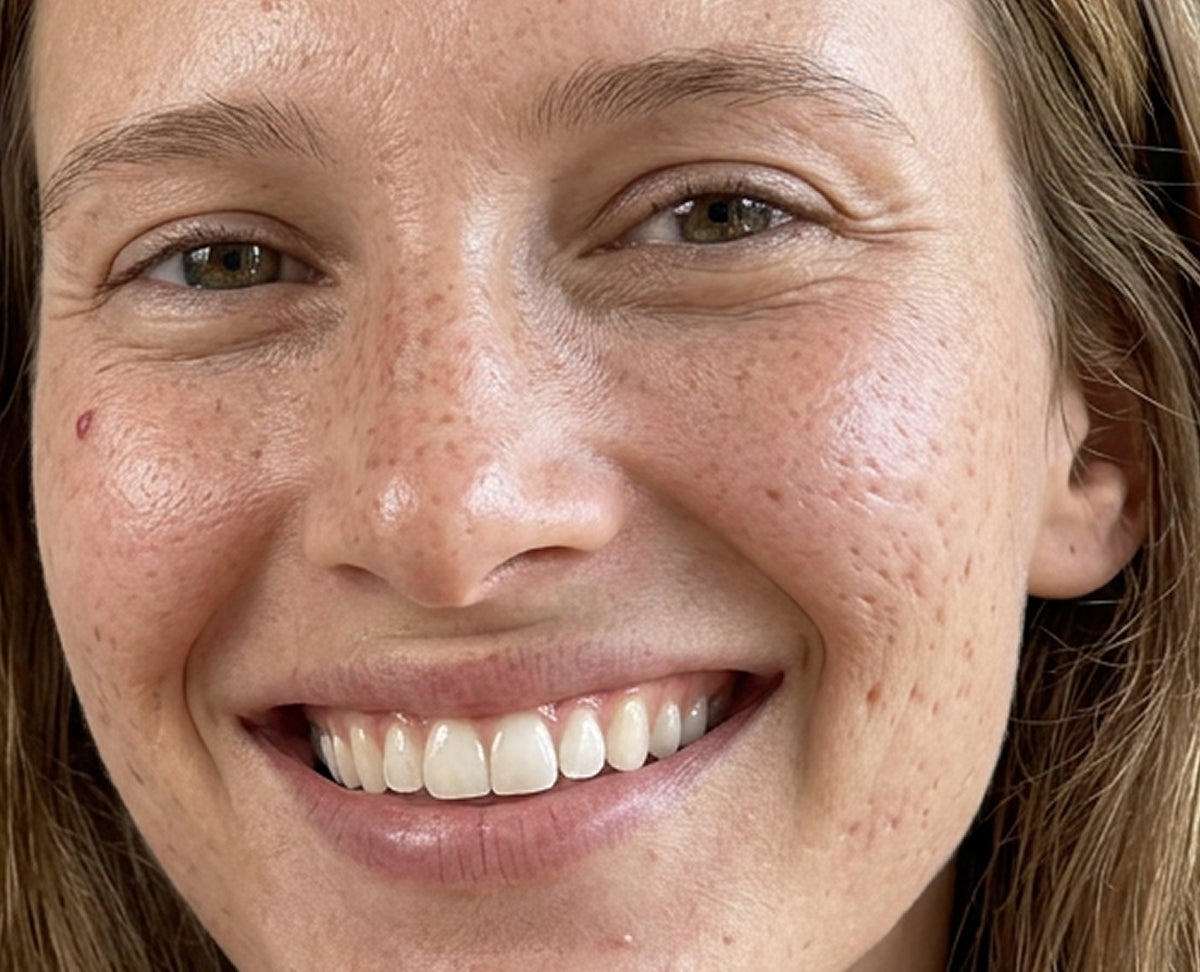
Acne scarring, particularly ice-pick scars, is another area where the structure of the problem can sit outside the reach of topicals. The scar itself is a narrow, deep track in the dermis. Nothing applied to the skin surface can fully remodel it. Procedures like TCA CROSS, subcision or microneedling can all help improve scarring, but it should only be considered once acne is completely settled. Treating scarring in skin that is still actively breaking out is, at best, premature and, at worst, counterproductive.
If you're still experiencing regular breakouts, our guide to treating adult acne explains how to build a routine before considering procedural treatments.
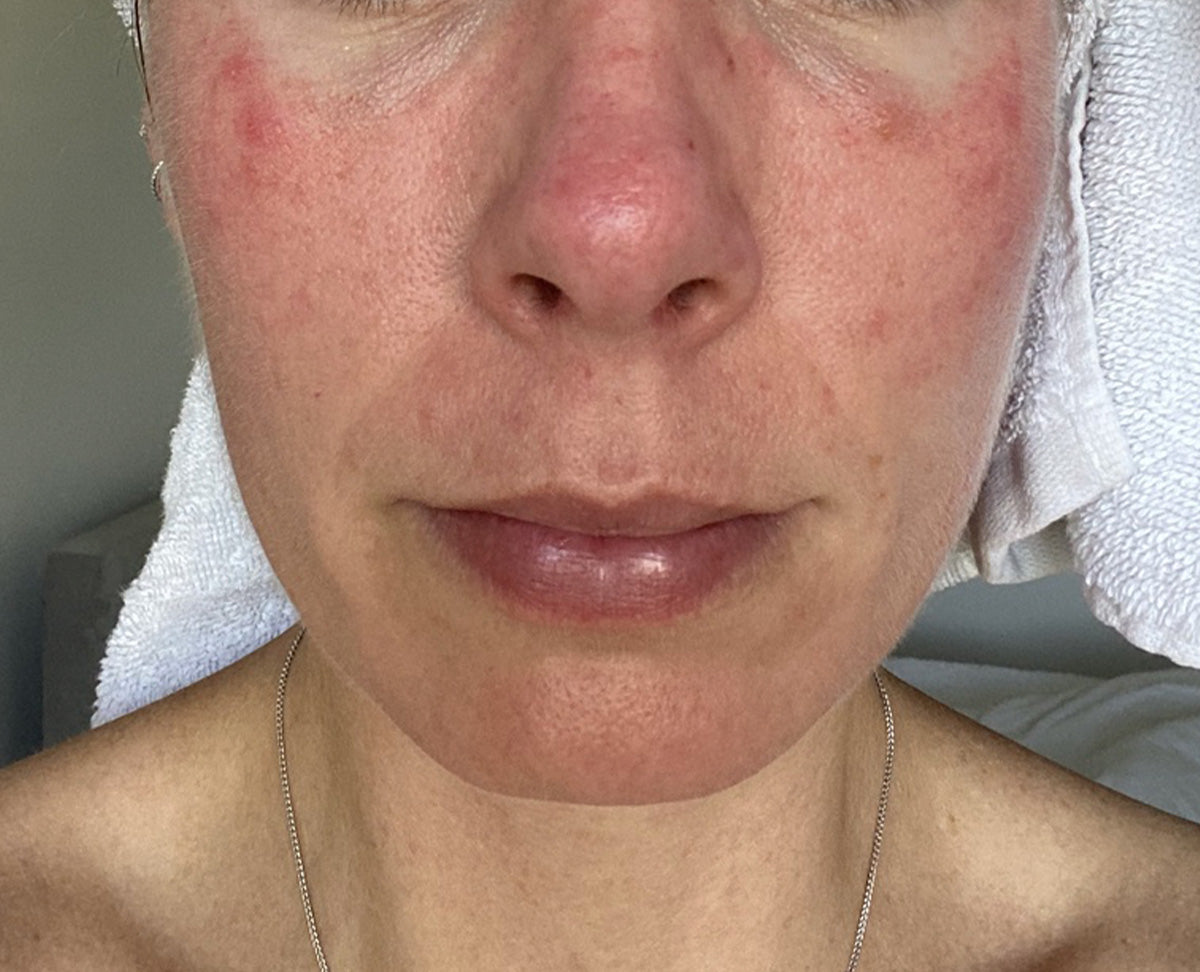
If your breakouts are accompanied by persistent redness or seem to worsen with traditional acne treatments, you may not be dealing with acne alone. Learn how to tell the difference between acne and rosacea here.
The Signals That Suggest You Are Ready
There is no universal timeline, and I would be cautious of any clinic that implies otherwise. Readiness for a procedure is not primarily about age. It is about whether your skin is stable, whether you have given your routine enough time to work, and whether the concern you want to address is one that a procedure is actually built to treat.
A few questions I find useful to work through with patients before any procedure is discussed:
Has your skin been consistently stable for at least three to six months? Procedures need settled skin to work on. If you are still managing flares, cycling through breakouts, or adjusting your routine frequently, it is too soon.
Have you given your skincare routine a genuine run? A retinoid used consistently for six to twelve months, alongside reliable sun protection, can shift a significant amount. If you have not been consistent, you may not yet know what your current routine is capable of.
Is the concern you have one that a procedure is designed to address? This is the most important question. Volume loss, established dynamic lines, deep scarring, and significant laxity are procedure territory. Fine lines, uneven tone, mild texture irregularities, and early pigmentation are often well within what topicals can treat. A consultation will always clarify which category your concern falls into.
A Guide to Our Treatments and When They Make Sense
| Treatment | What it addresses | When to consider it |
| Profhilo | Dehydration, skin laxity | Skin stable and well-maintained; early signs of volume loss |
| Polynucleotides | Skin quality, texture, glow | Skin stable; fine texture concerns topicals haven't resolved |
| Anti-wrinkle injections | Dynamic lines (movement-related) | Consistent skincare in place; lines present at rest |
| Microneedling | Scarring, texture, pigmentation | Active acne or rosacea fully controlled first |
| TCA CROSS | Deep ice-pick acne scars | Acne completely settled; skin barrier strong |
Full details on each treatment, including what to expect and how to prepare, are available on our clinic treatments page.
How Skincare and Procedures Work Together
I want to be clear about something I think gets lost in a lot of the conversation around this topic: procedures do not replace your skincare routine. They work alongside it. Patients who maintain a strong routine, with an anti-oxidant, a retinoid, consistent SPF, and good barrier support, get better results from procedures, and those results last longer. The investment in both is cumulative.
There is also what happens after a procedure. Following laser, microneedling, or injectable treatments, the skin’s barrier is often temporarily more vulnerable. This is precisely when a well-chosen, simple routine matters most: a gentle cleanser, a dependable moisturiser, and rigorous sun protection, with actives paused for a short recovery period. We guide every patient through this at the clinic. The aftercare is not an afterthought.
The goal, in both skincare and procedures, is the same: healthy, well-functioning skin that you feel totally comfortable in. The route varies from person to person. Some patients achieve everything they want through skincare alone, given enough time and the right products. Others benefit from adding a procedure at the right moment in the right sequence. The key is understanding which situation you are in, and getting that assessment from someone who will give you an honest answer rather than simply book you in.
Frequently Asked Questions
Can I have a cosmetic procedure if I still get breakouts?
It depends on the procedure and how active your skin currently is. Any treatment that creates controlled injury in the skin, including microneedling, laser, and TCA CROSS, should only be considered once your skin is fully stable. Active breakouts significantly increase the risk of post-inflammatory pigmentation and poor healing. Anti-wrinkle injections or Profhilo can sometimes be considered alongside well-managed, low-grade blemishing, but this is always assessed individually. If you are unsure, a consultation before booking any treatment is always the right first step.
At what age should I start thinking about cosmetic treatments?
Age is not the most useful marker here. There are patients in their late twenties who would benefit from a course of Profhilo, and patients in their fifties who are still achieving what they want from their skincare routine alone. The more relevant question is what is bothering you, and whether it is something that topicals can realistically address. That is always where a consultation should begin.
Will I need to change my skincare routine after a procedure?
Usually, yes, at least for a short period. In the days following most in-clinic treatments, the skin is more sensitive and the barrier needs active support. We typically advise simplifying: a gentle cleanser, a fragrance-free moisturiser, and SPF, with retinoids and exfoliating actives paused temporarily. We give every patient specific aftercare guidance based on their treatment and their skin’s individual baseline.
How do I know whether I need a procedure or just a better skincare routine?
This is exactly the question a consultation is designed to answer. In broad terms: if the concern is uneven colour, early lines, mild texture irregularities, or general skin quality, start with your skincare and give it time. If the concern is structural, whether that is volume loss, deep scarring, established lines driven by muscle movement, or significant laxity, you are likely in procedure territory. A thorough assessment will give you an honest, specific answer and a plan built around your skin rather than a generic protocol.
When to See a Consultant Dermatologist
If your routine is well established and your skin is stable, but there are still things that bother you, a consultation is a logical next step. Not to be sold a treatment, but to understand what your options are, what the evidence supports for your specific concern, and whether the timing is right.
At Dr Sam Bunting + Associates, every consultation starts with an honest look at your skincare before any procedure is discussed. The question we ask first is always whether there is more your routine can do. If there is, that is where we start. If there isn’t, we will tell you that clearly, and talk through what makes sense next. To book, visit our Book an Appointment page.