





Summer changes the demands on your skin. More UV, more heat, more humidity, and longer days spent outdoors mean your routine needs to work harder, not less. This guide covers everything worth adjusting, from hydration and hyperpigmentation treatment to the one acid that's genuinely safe to use year-round, plus the things that absolutely don't need to change.
Keeping Skin Hydrated in Summer
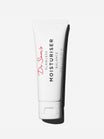
Your hydration step is probably the obvious one to reconsider in summer. Heat, sunshine and humidity can make skin just a teensy bit more dewy than we want to be. A winter moisturiser may not cut it. So what are your options?
First, it's worth considering whether you need a moisturiser in the daytime at all. If your sunscreen is correctly chosen, you may be one of the lucky ones who can wear just that and get enough hydration from your sunscreen step to make an extra layer unnecessary.
This will require a sunscreen that functions as a nice primer, one that doesn't dry out and go patchy over the course of the day. But that's eminently achievable with modern formulations.
The next thing to think about is leaning into a richer moisturiser at night to manage any dryness from your active routine. When your barrier is well looked-after overnight, you may not need to apply moisturiser all over in the daytime. A little around the eyes and mouth, where the skin moves quite a lot, can be sufficient.
If that doesn't work for you, it may simply be a matter of changing formulation. If you've been using a cream balm with a nourishing format, try one of the many lightweight gel textures instead.
Treating Hyperpigmentation in Summer
It may surprise you, but summertime is often when I put my foot on the pedal and accelerate treatment. The reason is two-fold. There's considerably more UV and visible light around than in winter, and we're spending more time outdoors. And with longer daylight hours and the desire for natural-looking make-up, we want skin in its best possible condition.
For many melasma patients, one of the most common and perhaps hardest-to-treat forms of hyperpigmentation, I'll consciously plan peak performance for summer. That will often mean switching from maintenance treatment to a more advanced prescription regime based around 4% hydroquinone for an eight to twelve week period, in conjunction with retinoids and vitamin C. Diligent sunscreen use and reapplication, a proper hat and seeking shade are the essential habits running alongside that.
The Best Acid to Use in Summer: Azelaic Acid
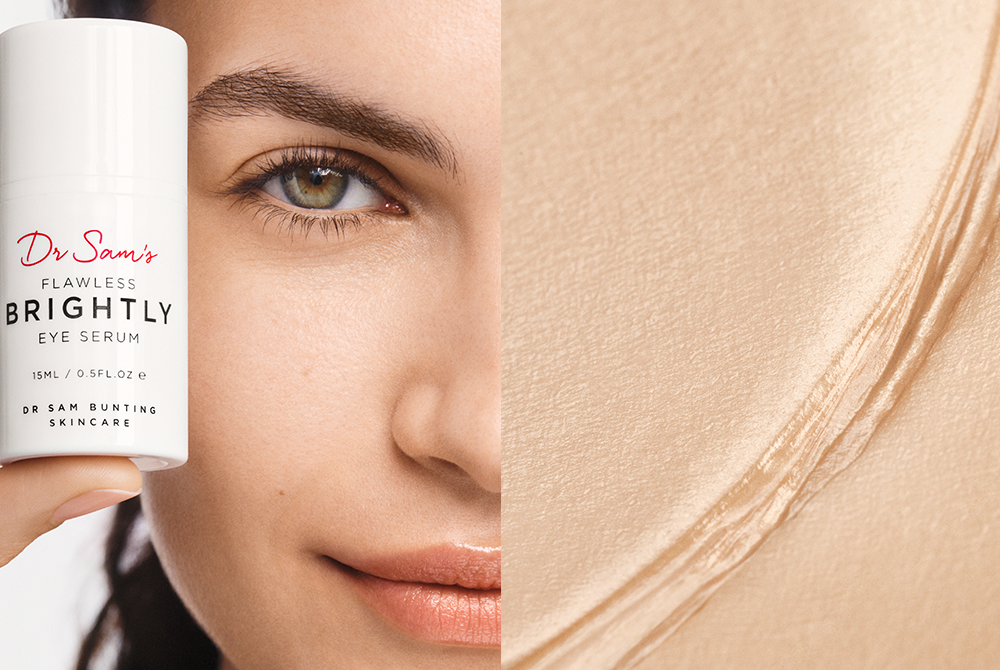
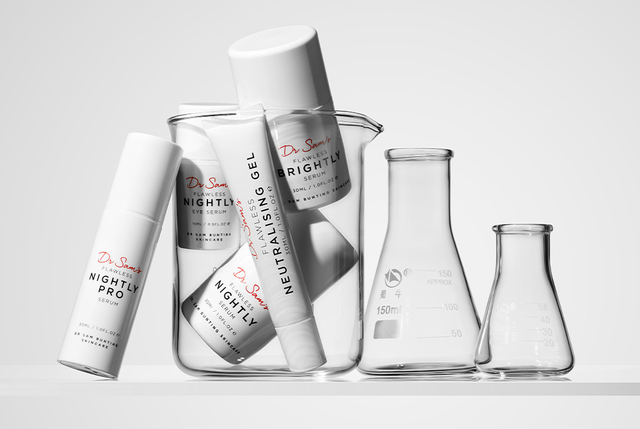
One active that deserves particular mention in summer is azelaic acid, and it's arguably the safest acid to use in summer. Unlike AHAs such as glycolic, which thin the outer layer of skin and increase UV sensitivity, azelaic acid doesn't accelerate desquamation or compromise the skin's inbuilt photoprotection. It doesn't increase photosensitivity because it works through an entirely different mechanism, targeting the enzyme tyrosinase and calming the inflammatory pathways that drive redness, congestion and pigmentation, which are exactly the three things summer reliably aggravates. That makes it uniquely well-suited to year-round use, and summer specifically. Flawless Brightly Serum and Flawless Nightly Serum both harness azelaic acid as a core active, making them the products I'd be most reluctant to put down when the temperature rises. If either tingles on application, don't mistake that for photosensitivity. It's simply the acid working. For anyone asking which acids are safe to use in summer, azelaic acid is the answer.
Choosing the Right Sunscreen for Summer
Do you need to think about changing your everyday sunscreen for summer specifically? In a few instances, yes. Where you live and how strong UV levels are matters, but if you're spending meaningful time outdoors and can't always seek shade, a tinted sunscreen is worth considering. Where you might normally wear a non-tinted one underneath your make-up, use a tinted one as your base instead. This makes proper reapplication possible. That first morning application of SPF won't give you adequate protection four to six hours later if you're outdoors for anything more than a few moments.
Water resistance is also worth thinking about, particularly for those who are pigmentation-prone. Melasma commonly affects the top lip, cheekbones and forehead, areas where we tend to sweat. A water-resistant product designed to adhere through the day gives you meaningful, long-lasting protection.
Finally, in darker skin tones that are pigmentation-prone, visible high-energy blue light contributes to increased melanin release. Seeking out a sunscreen or high-coverage cosmetic containing iron oxide is a useful addition.
What You Don't Need to Change in Summer
Cleansing
Everyone should be using a simple, gentle, unfragranced, non-clogging cleanser, and the skin's cleansing needs don't change meaningfully from summer to winter. If you're using the right cleanser and taking your time, there's no need to make changes. Many people rush cleansing, which is why they fail to remove every last bit of sunscreen and make-up. Be methodical, don't miss the hairlines and temples, and use plenty of product.
Your Retinoid
Retinoids are actually helpful in reducing the impact of UV on the skin, when used correctly alongside proper sun protection. They reduce the upregulation of matrix metalloproteinases, one of the main mechanisms by which UV degrades collagen and elastin. The benefits of using retinoids year-round far outweigh any downsides, provided you're implementing smart sun behaviour.
The exception is when you're outdoors for long periods in intense UV and can't adequately protect your skin. In those instances, park the retinoid for the duration. But for the average person, myself included, when going on holiday or enjoying sunny days in London, I make no change to my retinoid routine.
Whether you're staycationing or you've managed to get away, I hope that gives you some ideas and, importantly, some confidence in building a summer-compatible skincare plan.