




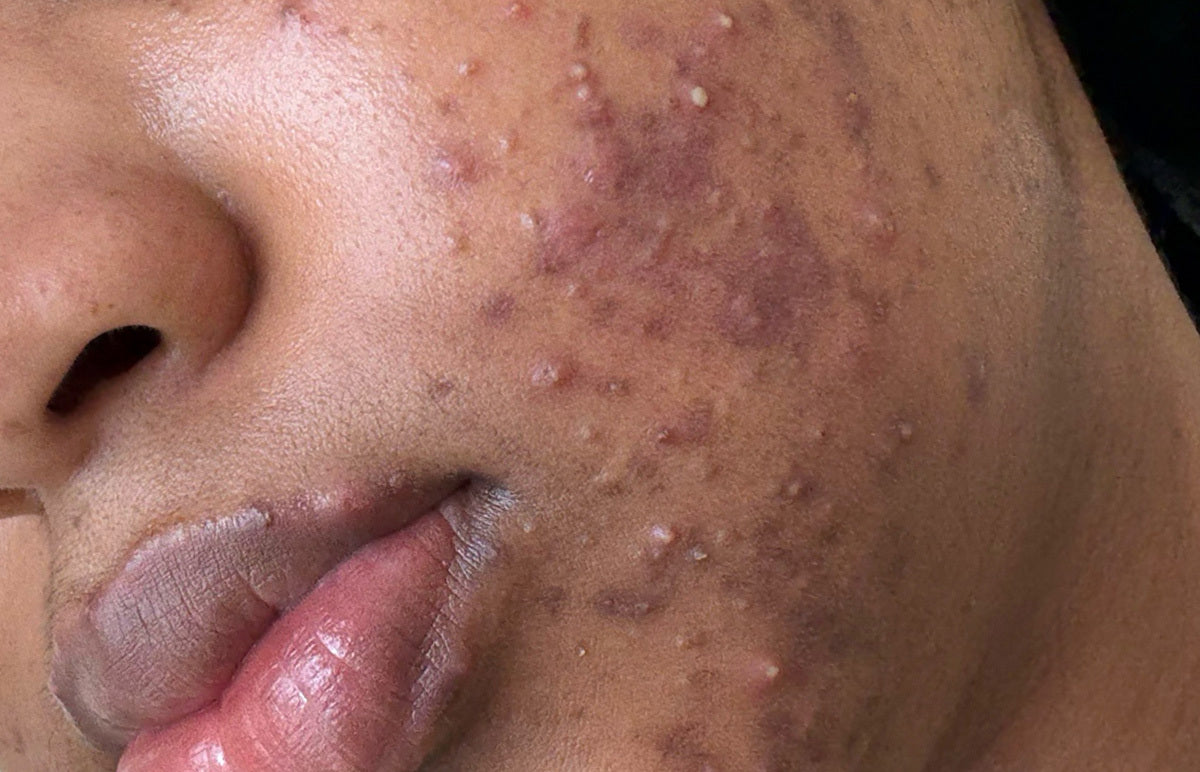
The biggest mistake I see in acne isn’t the product you’re using - it’s how you’re using it.
Most people treat blemishes spot by spot, chasing each new eruption like a never-ending game of whack-a-mole. But reacting after the fact keeps you in crisis mode: stress, spot; hormones, spot; deadlines, spot. There is a far better, far more scientific way.
The problem: people aren’t treating their zones.
Why Acne Always Appears in the Same Place: The Science of Skin Zones
Let’s take a common scenario - the dreaded hormonal breakout that happens in the week before your period. So common, we call it physiological acne, and it affects around 70-80% of all women. Around a week before your period, known as the luteal phase, oestrogen drops, progesterone rises and then drops, and this leads to a relative rise in androgens - as a result, your oil glands become more active and lead to congestion in your pores. But they don’t switch on one by one; they respond as a group.
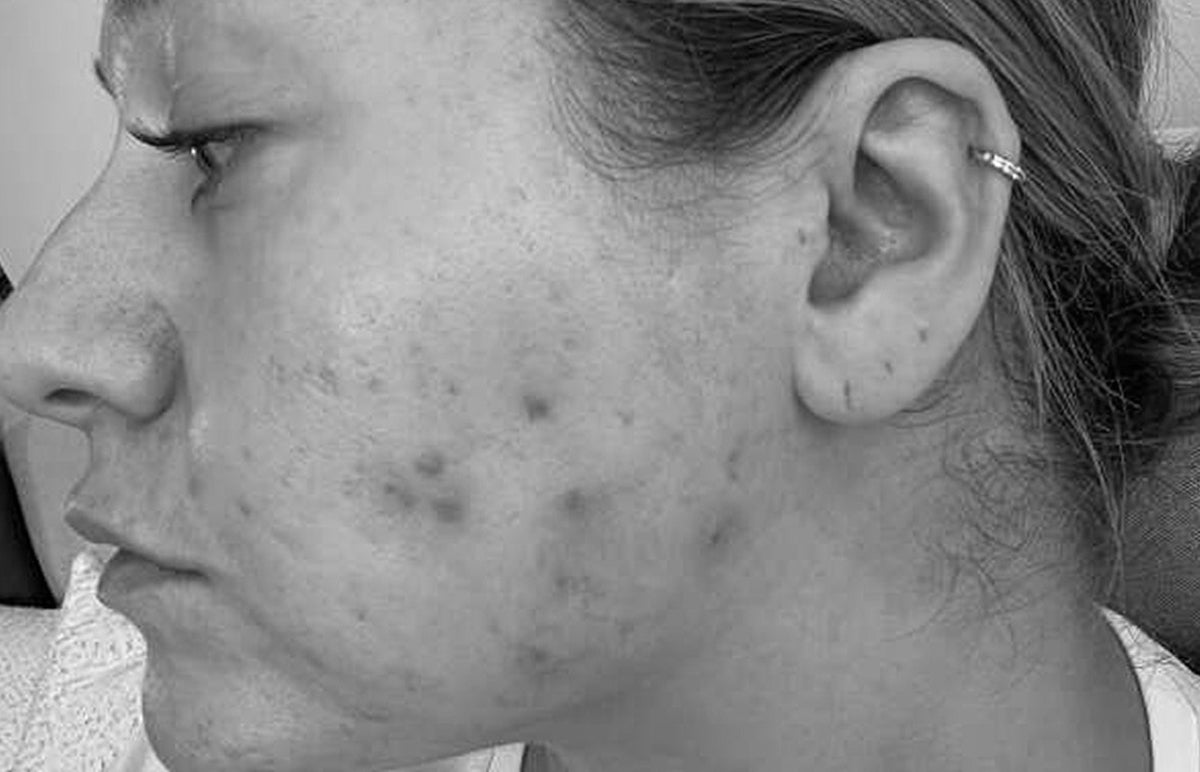
Your pores in the U-zone (chin, jawline, lower face) become oilier together. They clog together. Inflammation peaks together. And that is how you get those familiar tender, lumpy bumps along the jawline and chin.
In your teens, hormones drive a similar zone effect, but their dramatic onset, persistent and relatively high levels of androgens stimulate action in the T-zone, and potentially also the chest and back too.
If you map out your skin over the last 3-6 months, the clues are there: the faint pigmentation marks that linger after breakouts tell the story of where your skin is vulnerable.
This is why individual spot-treating will never win. But zoning (treating the whole area that misbehaves) can prevent blemishes before they ever form.

The Preventative Acne Routine: Treat the Zone, Not the Spot
Proactive skincare means applying your actives over the entire acne-prone zone - even when your skin looks deceptively calm.
A simple, effective approach:
AM: Azelaic Acid for Clarity + Calm
Azelaic acid is a dream for combination, blemish-prone skin. It keeps pores clear, reduces inflammation and helps with leftover pigmentation. It pairs beautifully with niacinamide and is well tolerated, even in sensitive skin.
PM: Retinoid for Prevention (Retinol or Prescription Options)
A nightly retinoid, whether a gentle beginner serum or a stronger and on prescription, helps prevent clogged pores and supports long-term skin health. Use it across the entire zone, not just where you see a bump.
This zone-wide method is how we shift from chasing spots to preventing them - a personalised skincare strategy that works, whether you’re using Routine Finder, a customised prescription skincare routine or curating your own routine at home.
Zoning Isn’t Just for Hormonal Acne: Forehead, Chest + Back Breakouts
One of the joys of zoning is that it’s endlessly adaptable.
Whether it's a bumpy forehead after workouts or chest and back breakouts from gym gear rubbing your skin, this approach works well. Remember - anywhere you repeatedly break out deserves a preventative strategy.