










Why Your Skin's Energy Levels Matter More Than You Think
The relationship between mitochondrial decline and accelerated tissue ageing is well-documented in the broader longevity literature and podcasts. But for a long time, our skin simply wasn’t part of the conversation. Thankfully, that’s changing.
So it was a real pleasure to sit down with Forbes last week to discuss this new frontier in optimising skin health.
What Mitochondria Actually Do in Skin — and Why Their Decline Matters
Every functional skin cell - keratinocytes, fibroblasts, melanocytes included - depends on mitochondria to produce ATP, the molecule that powers cellular work. In skin specifically, that work includes barrier maintenance and repair, collagen and elastin synthesis, UV damage repair, immune regulation, and cell turnover. These aren't simply cosmetic processes - they're the biological fundamentals of what keeps skin structurally sound and functionally resilient.
When mitochondrial performance declines, the downstream consequences are predictable and measurable. Barrier repair slows. Collagen output from fibroblasts drops (fibroblasts are among the most energetically demanding cell types in the skin) and keratinocyte turnover, which depends on mitochondrial energy, becomes sluggish, contributing to dullness and reduced responsiveness to actives. DNA repair mechanisms that depend on NAD⁺, specifically the PARP enzyme family, become less efficient, allowing cumulative UV damage to compound over time. And mitochondrial dysfunction is associated with a chronic low-grade inflammatory state that researchers have termed inflammaging, characterised by persistent sensitivity, redness, and a general loss of adaptive capacity.
None of this is unique to skin. These are the same mechanisms driving tissue dysfunction in skeletal muscle, the brain, and the cardiovascular system as we age. The reason skin matters specifically is that it's both a window into systemic mitochondrial health and, crucially, directly accessible to targeted intervention in ways that other tissues aren't.
The NAD⁺ Connection
NAD⁺ (nicotinamide adenine dinucleotide) is the coenzyme at the centre of mitochondrial function. Without it, the electron transport chain can't operate efficiently to produce ATP, our cellular fuel; sirtuins, the longevity-associated deacetylases, can't be activated, and DNA repair enzymes can't do their job.
The problem is its trajectory with age. NAD⁺ levels decline steeply from early adulthood, and the decline is compounded by UV exposure, alcohol, chronic inflammation, poor sleep, and oxidative stress, all of which either deplete NAD⁺ directly or increase the demands on it. By midlife, skin NAD⁺ levels can be substantially lower than in younger tissue. The result is cells running on a depleted energy budget, trying to maintain a complex repair and renewal programme with inadequate fuel.
This is why the oral NAD⁺ precursor space, NMN and NR primarily, has attracted serious scientific interest alongside the predictable wave of supplement marketing. The biology is sound. The human data on topical delivery is earlier, which brings me to where this gets more complicated and, for me, more interesting.
How Skin Ages at the Cellular Level
Five mechanisms are worth understanding in detail, because they directly inform what a rational intervention strategy looks like.
Impaired barrier repair.
The skin barrier is a dynamic structure, continuously renewing through a tightly regulated programme of keratinocyte differentiation and lipid secretion. This programme is energy-intensive. When mitochondrial function is compromised, barrier repair slows, and the clinical result is persistent sensitivity, reactive skin, and that characteristic quality of fragility that many people notice from their mid-30s onwards, or during periods of high stress.
Reduced collagen synthesis.
Fibroblasts are particularly mitochondria-dependent. Mitochondrial dysfunction in dermal fibroblasts is directly associated with reduced type I and III collagen output. This is a significant contributor to the loss of skin density and structural support that occurs independently of surface textural changes.
Slower keratinocyte turnover.
The rate of epidermal renewal depends on mitochondrial energy availability. When it slows, the accumulation of older, less functional keratinocytes at the surface contributes to dullness, uneven tone, and blunted responses to topical actives, including retinoids.
Accumulated DNA damage.
PARP enzymes, which are the primary responders to single-strand DNA breaks from UV radiation, are NAD⁺-dependent. Their activity is directly limited by NAD⁺ availability. When NAD⁺ is depleted, PARP-mediated repair becomes less efficient, and the cumulative burden of unrepaired DNA damage accelerates the visible signs of photoageing. This is the mechanism that Professor Mark Birch-Machin at Newcastle University has studied in particular depth, and his work on mitochondrial DNA damage as a biomarker of UV-induced skin ageing has significantly influenced how I think about the cellular consequences of sun exposure.
Inflammaging.
Mitochondrial dysfunction generates excess reactive oxygen species and activates inflammatory signalling pathways in ways that create a self-reinforcing cycle. The resulting low-grade, chronic inflammation is associated with accelerated degradation of structural proteins and progressive loss of skin resilience.
Cellular senescence.
Another process I'm increasingly interested in is cellular senescence. As cells age or become damaged, some stop dividing but remain metabolically active. These senescent cells can accumulate over time and release inflammatory signals into the surrounding tissue, contributing to the chronic low-grade inflammation we call inflammaging.
This is an emerging area of longevity skincare. Milk thistle extract, which I've incorporated into Flawless Brightly Pro Serum, is one ingredient we're using to target this pathway alongside established actives that address pigmentation and uneven skin tone.
Biological Age vs. Chronological Age: A Distinction That Actually Matters
Your skin has two ages. Its chronological age is fixed. Its biological age, which reflects the actual functional state of its cells, is not. The gap between the two is determined by the cumulative effect of UV exposure, lifestyle choices, sleep quality, stress load, nutritional status, and the quality and consistency of your skincare routine.
I want to be precise about what longevity skincare means in this context, because the term is getting diluted quickly. It isn't anti-ageing rebranded. Anti-ageing is reactive. It addresses visible changes after they've occurred. Longevity skincare, properly understood, is about maintaining cellular function before the damage becomes apparent at the surface. It's about influencing your skin's biological age, not just managing its appearance.
I told Forbes that’s why a more personalised approach matters in skin longevity. We don't all age in the same way - differences in mitochondrial health, NAD⁺ decline, cellular senescence and inflammaging mean understanding your skin's biology is increasingly important when thinking about how to support it for the long term.
Can Topical Skincare Actually Influence Mitochondrial Function?
This is the question that deserves the most careful answer, because it's where the evidence is most contested and where the commercial incentive to overclaim is highest. I'll try to be specific.
The skin is a metabolically active organ with its own NAD⁺ synthesis and salvage pathways. Research has demonstrated that these pathways can be influenced from the outside, and that certain plant-derived extracts can penetrate the stratum corneum and interact with cellular energy metabolism in the viable epidermis. The evidence quality varies significantly by ingredient and concentration.
The ingredient I've worked with most closely is sunflower shoot extract (SSE) at 2%, incorporating it into Flawless Moisturiser Intense and subsequently studying it in collaboration with Professor Mark Birch-Machin's group. The data we generated showed a 34% reduction in UV-induced mitochondrial DNA damage at 2% SSE within 24 hours and led to its further incorporation into Flawless Vitamin C NAD+ Serum.
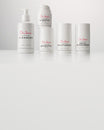
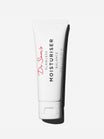
The formulation design principle that I keep returning to is this: you can't effectively boost cellular energy in a compromised barrier. The two problems have to be addressed simultaneously. Barrier dysfunction and mitochondrial underperformance are frequently co-occurring, and treating one without the other limits outcomes. Flawless Moisturiser Intense was built around that insight, combining the SSE-mediated NAD⁺ support with a complete ceramide system, ectoin, centella asiatica extract, madecassoside, and squalane. It's clinically proven to repair the skin barrier from the first use (TEWL measurement, 27 subjects vs. untreated control).
The Lifestyle Side
The area we know the most about currently when it comes to longevity are the systemic inputs that drive mitochondrial health.
Exercise.
Physical activity, particularly the combination of aerobic and resistance training, stimulates muscle to make new mitochondria (known as biogenesis) through activation of PGC-1α and AMPK, the molecular pathways that signal the body to invest in cellular repair infrastructure. There is also emerging evidence that regular aerobic exercise partially attenuates age-related NAD⁺ decline via increased NAD+ recycling. For skin specifically, exercise improves microcirculation, delivering oxygen and removing metabolic waste at the cellular level.
Sleep.
Mitochondrial repair and NAD⁺ regeneration are most active during sleep. Chronic sleep deprivation is one of the most reliably documented drivers of accelerated cellular ageing: it elevates cortisol, increases oxidative stress, depletes NAD⁺, and impairs the barrier repair cycle that is most active overnight. In the context of skin specifically, the overnight window is when topical actives have the greatest opportunity to work, because repair processes are running at full capacity and competition from UV-induced damage is absent. Incentive indeed to get your beauty sleep.
Nutrition.
NAD⁺ precursors are found in edamame, mushrooms, fish, and green vegetables. A diet rich in these, alongside adequate antioxidant intake to buffer oxidative stress, provides the raw materials for maintaining healthy coenzyme levels. Conversely, excess alcohol, refined sugar, and ultra-processed foods accelerate mitochondrial dysfunction and NAD⁺ depletion. Your skin’s health reflects nutritional choices over time.
Stress.
Chronic psychological stress drives sustained cortisol elevation, which diverts cellular resources away from repair and maintenance. The mechanism connecting stress to accelerated skin ageing is well-characterised. It runs through cortisol, through NAD⁺ depletion, and through mitochondrial dysfunction. Brief, consistent stress management practices, whether movement, breathwork, or structured downtime, have measurable effects on cortisol and, downstream, on cellular ageing rate. The mind-skin connection is absolutely real.
Sun protection.
UV radiation is the single largest environmental driver of NAD⁺ depletion in skin. Each UV hit triggers PARP-mediated DNA repair, which consumes NAD⁺. Cumulative UV exposure depletes NAD⁺ faster than the salvage pathway can replenish it. SPF isn't primarily about preventing visible burns. It's about protecting your cellular energy reserves from a daily depletion event. If you accept the NAD⁺ framework, daily broad-spectrum SPF becomes the highest-impact, lowest-effort intervention available, regardless of season, latitude, or cloud cover.
Who Should Be Thinking About This?
Most adults, honestly. But particularly:
People in their 30s and beyond, when NAD⁺ decline accelerates and the first signs of barrier compromise typically appear. People with persistently sensitive, reactive, or treatment-resistant skin, where mitochondrial underperformance is frequently a contributing factor. Anyone whose skin isn't responding as expected despite a consistent, evidence-based routine. And anyone thinking about the long game for their skin, not the next 12 weeks, but the next 20 years.
The compounding logic here is the same as in any longevity context. The earlier you start supporting the underlying biology, the greater the effect over time. But it's also never too late: the cellular machinery responds to appropriate inputs at any age.
Frequently Asked Questions
What are mitochondria and why do they matter for skin?
Mitochondria are the energy-producing structures inside every skin cell. They generate ATP - the fuel that powers barrier repair, collagen production, cell turnover, and DNA damage repair. When mitochondrial function declines, all of these processes slow down, and the effects show up as sensitivity, dullness, loss of density, and accelerated signs of ageing.
What is NAD⁺ and why does it decline with age?
NAD⁺ is a coenzyme that mitochondria depend on to produce energy efficiently. It also activates longevity-associated proteins called sirtuins and enables DNA repair enzymes to do their job. Levels decline steeply from early adulthood, and are further depleted by UV exposure, poor sleep, alcohol, chronic stress, and inflammation. By midlife, skin NAD⁺ levels can be substantially lower than in younger tissue.
What's the difference between anti-ageing and longevity skincare?
Anti-ageing is reactive - it addresses visible changes after they've appeared. Longevity skincare is about maintaining cellular function before the damage becomes apparent at the surface. It's the difference between managing your skin's appearance and actively influencing its biological age.
Can skincare products actually affect mitochondrial function?
The evidence quality varies significantly by ingredient and concentration. Skin has its own NAD⁺ synthesis pathways, and research has demonstrated these can be influenced topically. Sunflower shoot extract (SSE) at 2% - used in Flawless Moisturiser Intense and Flawless Vitamin C NAD+ Serum - has been studied in collaboration with Professor Mark Birch-Machin's group at Newcastle University, with data showing a 34% reduction in UV-induced mitochondrial DNA damage within 24 hours.
Why is SPF relevant to mitochondrial health?
Every UV hit triggers DNA repair enzymes called PARPs, which consume NAD⁺ to do their job. Daily UV exposure depletes NAD⁺ faster than the body can replenish it. Daily broad-spectrum SPF prevents that depletion event from happening in the first place - making it one of the most effective cellular energy protection tools available, whatever the season.
What lifestyle changes make the biggest difference?
The four that have the strongest evidence: regular exercise (particularly a combination of aerobic and resistance training, which stimulates mitochondrial biogenesis), consistent quality sleep (when mitochondrial repair is most active), a diet rich in NAD⁺ precursors like mushrooms, edamame, fish, and green vegetables, and daily SPF. Managing chronic stress matters too - cortisol both depletes NAD⁺ and diverts cellular resources away from repair.
When should I start thinking about mitochondrial skin health? Most adults benefit from thinking about this, but the 30s are a meaningful inflection point - when NAD⁺ decline accelerates and the first signs of barrier compromise typically appear. The compounding logic is the same as in any longevity context: starting earlier has more effect over time, but the cellular machinery responds to the right inputs at any age so it’s never too late.
Where Does the Science End and the Hype Begin?
Longevity is becoming a popular skincare term, but not every product labelled “longevity” is influencing the biology of skin ageing. We should be cautious about extrapolating findings from supplements, laboratory studies or whole-body longevity research directly to topical skincare.
For me, longevity skincare starts with the fundamentals we already know make a meaningful difference - particularly daily SPF, retinoids and Vitamin C. From there, we can use newer, clinically studied ingredients to target specific mechanisms involved in skin ageing. Sunflower shoot extract (SSE), for example, supports NAD⁺ recycling and mitochondrial function, while milk thistle extract targets cellular senescence - two of the pathways we're increasingly able to address through topical skincare.
The important distinction is evidence. A compelling longevity story isn't enough: I want to understand the mechanism, see data behind the ingredient at the concentration being used, and formulate it in a way that can realistically benefit the skin. Longevity ingredients should add to our proven skincare toolkit, not replace it.
The Bottom Line
The most important shift happening in evidence-based skincare right now isn't about a single new ingredient or a new delivery system. It's a conceptual shift: from surface management to cellular maintenance. From reactive to proactive. From chronological age to biological age.
Mitochondrial health sits at the centre of that shift. When skin cells are adequately fuelled, barrier repair is efficient, collagen synthesis is maintained, DNA damage is addressed, and inflammatory responses resolve cleanly. When they're not, no amount of topical correction fully compensates.
The path there is centred around consistent habits. Exercise that stimulates mitochondrial biogenesis. Sleep that allows genuine cellular repair. Nutrition that provides NAD⁺ precursors and buffers oxidative stress. Daily SPF that prevents the depletion event in the first place. And a skincare routine that addresses the barrier and cellular energy simultaneously, rather than treating them as separate problems.
As I told Forbes: “The future of skincare isn’t about looking younger - it's about investing in your skin with intelligence, compassion and confidence. And no matter when you begin, your skin will respond.”
— Dr Sam Bunting, Forbes
Explore the full picture:
What is NAD⁺? The science behind your skin's cell battery →
Prejuvenation: the proactive skincare strategy explained →
Why I Created Flawless Moisturiser Intense →
Shop Flawless Moisturiser Intense →

